plant lover, cookie monster, shoe fiend
20198 stories
·
20 followers

Fatigue in children and young people up to 24 months after infection with SARS-CoV-2 | Scientific Reports

1 Share

Fatigue in children and young people up to 24 months after infection with SARS-CoV-2

Persistent fatigue is common following acute SARS-CoV-2 infection. Little is known about post-infection fatigue trajectories in children and young people (CYP). This paper reports on a longitudinal analysis of the Children and Young People with Long COVID study. SARS-CoV-2-positive participants, aged 11-to-17-years at enrolment, responding to follow-ups at 3-, 6-, 12-, and 24-months post-infection were included. Fatigue was assessed via the Chalder Fatigue Scale (CFQ; score range: 0-11, with ≥4 indicating clinical case-ness) and by a single-item (no, mild, severe fatigue). Fatigue was described cross-sectionally and examined longitudinally using linear mixed-effects models. Among 943 SARS-CoV-2-positive participants, 581 (61.6%) met CFQ case-ness at least once during follow-up. A higher proportion of ever-cases (vs. never-cases) were female (77.1% vs. 54.4%), older (mean age 15.0 vs. 13.9 years), and met Post-COVID Condition criteria 3-months post-infection (35.6% vs. 7.2%). The proportion of CFQ cases increased from 35.0% at 3-months to 40.2% at 24-months post-infection; 15.9% meet case-ness at all follow-ups. Single-item mild/severe responses showed sensitivity (≥0.728) and specificity (≥0.755) for CFQ case ascertainment. On average, CFQ scores increased by 0.448 points (95% CI, 0.252 to 0.645) over 24-months, but there were subgroup differences (e.g., fatigue increased faster in females than males and improved slightly in those meeting Post-COVID Condition criteria 3-months post-infection while worsening in those not meeting criteria). Persistent fatigue was prominent in CYP up to 24 months after infection. Subgroup differences in scores and trajectories highlight the need for targeted interventions. Single-item assessment is a practical tool for screening significant severe fatigue.
Persistent fatigue has emerged as a common, debilitating symptom following acute SARS-CoV-2 infection1. It is the second most common manifestation of Post-COVID Condition (PCC, also known as Long COVID)2, and, among children and young people (CYP), the pooled prevalence of fatigue or weakness post-infection is estimated at 16.3% (95% CI, 15.7 to 16.9)3. The prevalence among adults with PCC is estimated at 34.8% (95% CI, 17.6 to 57.2)4. This differential prevalence highlights the need to investigate post-infection symptoms in CYP separately from adults to ensure their unique health needs are understood and met2. This is especially relevant for fatigue since adolescence is a time during which fatigue increases5.

A recent systematic review and meta-analysis of 50 controlled studies, which included over 14 million people, reported increased risks of up to 42 symptoms following SARS-CoV-2 infection, but only 13 of these studies were specifically in CYP6. A substantial amount of information about paediatric PCC has been provided by the Children and Young People with Long COVID (CLoCk) study, a longitudinal cohort of over 30,000 CYP in England matched on SARS-CoV-2 test result and demographic factors at study invitation7. A key aim of CLoCk was to describe the clinical phenotype and prevalence of symptoms following acute infection. To date, follow-ups have been completed at 3-, 6-, 12-, and 24-months post-SARS-CoV-2 testing. Previous CLoCk studies showed that over 24-months, most participants who met the definition for PCC at 3-months post-infection went on to recover. However, 7% continued to meet the definition at all follow-ups8. Fatigue, as identified by single-item symptom assessment, was, again, a commonly reported symptom amongst those with persistent PCC8.

Despite these advances in our understanding of PCC in CYP, little remains known about fatigue change over time following SARS-CoV-2 infection. For example, does the natural course of post-infection fatigue improve, remain constant, or follow a waxing and waning trajectory, and, do fatigue trajectories vary by demographic, pre-pandemic health, school, and acute infection factors? Such evidence is needed to inform interventions and service delivery, as well as for future pandemic preparedness. To date, much of the knowledge about post-infection fatigue has been derived from single-item assessments of tiredness1,8,9,10, and/or by examining fatigue using validated scales at single time-points11. While valuable, both approaches limit in-depth understanding of fatigue trajectories. To fill the above identified evidence gaps, we aimed to investigate reported experiences of fatigue, assessed using a valid and reliable scale12,13, among CYP up to 24-months after confirmed SARS-CoV-2 infection. Our specific research questions were:

  1. 1.

    What are the profiles of fatigue at 3-, 6-, 12-, and 24-months post-infection?

  2. 2.

    Is single-item assessment a valid tool for detecting potentially severe fatigue?

  3. 3.

    Do experiences of fatigue change over 24-months post-infection, and do trajectories vary by demographic, pre-pandemic health, school, and acute infection factors?

The CLoCk study recruited 31,012 CYP in England aged 11-to-17-years at study invitation and matched on SARS-CoV-2 test result according to month of testing (between September 2020 and March 2021), sex at birth, age, and geographic area. Study design is described in detail elsewhere7,14. In brief, potential participants were contacted with study information via post by Public Health England (now UK Health Security Agency). Information included a web link for electronic consent and questionnaire completion. SARS-CoV-2 polymerase chain reaction test results were sourced from laboratory information management systems at the UK Health Security Agency, to which reporting by hospitals and laboratories was mandatory during study recruitment.

CLoCk received ethical approval from the Yorkshire and the Humber–South Yorkshire Research Ethics Committee (REC reference: 21/YH/0060). All research was performed in accordance with relevant guidelines/regulations, including the Declaration of Helsinki. All participants provided (electronic) informed consent.

In this analysis, we included CLoCk participants who tested positive for SARS-CoV-2 between January and March 2021 and responded to questionnaires at 3-, 6-, 12-, and 24-months post-testing. This sub-cohort were enrolled 3-months post-testing (i.e., between April and June 2021) and have previously been characterised in Nugawela et al15. We selected this sub-cohort given definitive ascertainment of SARS-CoV-2 positive status as part of routine national testing, availability of data at four time-points, and completeness of responses over follow-up. We did not include a comparison group of participants testing negative for SARS-CoV-2 at baseline given many of such participants may have been infected during follow-up.

Measures

At all time-points, participants self-completed questionnaires about their physical and mental health, containing elements of the International Severe Acute Respiratory and emerging Infection Consortium Paediatric COVID-19 follow-up questionnaire16. Participants could ask for help completing questionnaires from parents/carers or by contacting the research team. The 3-month post-testing (i.e., at study enrolment in April-June 2021, 3-months after testing in January-March 2021) questionnaire also collected demographics, and retrospective reports of whether participants often felt very tired prior to the pandemic (in early March 2020) and their main symptoms at their SARS-CoV-2 test (between January-March 2021). At all time-points, fatigue was assessed using the Chalder Fatigue Scale (CFQ)12,13and single-item assessment14. In addition, SARS-CoV-2 testing data were linked to the national Personal Demographic Service by the UK Health Security Agency to provide further data on age at infection, sex at birth, and the 2019 English Index of Multiple Deprivation (IMD, computed at small-area level using participants’ residential postcodes).

Chalder Fatigue Scale (CFQ) 12,13

The CFQ is a reliable 11-item scale of fatigue severity designed for use in hospital and community settings, and which has been validated in clinical and non-clinical samples12,13. The questionnaire comprises two subscales – physical and mental fatigue. Using a bimodal scoring system, total scale scores range from 0-to-11 and are calculated as the sum of item scores in which four response options of increasing severity (e.g., from ‘less than usual’ to ‘much more than usual’) are assigned values of 0, 0, 1, and 1. Total scores ≥4 indicate ‘case-ness’ (a term which means the score is severe enough to be regarded as a clinical case)17. Using a Likert-style scoring system (where item responses options are assigned values of 0, 1, 2, and 3), total scale scores range from 0-to-33, with higher scores indicating greater fatigue severity. The Likert-style scoring system is not typically used to define case-ness; therefore our primary analysis focused on the bimodal system with a supplemental analysis using the Likert-style system18,19,20.

Single-item fatigue assessment

All questionnaires contained several single-item assessments of a broad range of symptoms, including “Are you experiencing unusual fatigue/tiredness?” – with three response options (“No”, “Mild fatigue”, “Severe fatigue – I struggle to get out of bed”). This item has not previously been validated, but previous CLoCk cohort publications identified a high prevalence of fatigue according to this item1,8, necessitating further exploration of its validity.

Statistical analysis

We characterised fatigue cross-sectionally at each follow-up using descriptive statistics and longitudinally across all follow-ups using linear mixed-effect models.

Descriptive analysis

To characterise profiles of fatigue (research question one) using the standard CFQ bimodal scoring system, we described the total and subscale scores, individual item scores, and the proportions meeting case-ness12,13 at each follow-up. We report Cronbach’s α at each follow-up as a measure of reliability.

We compared characteristics of participants that met CFQ case-ness at least once during follow-up (ever-cases) to those who never met case-ness threshold (never-cases). Characteristics included age at infection, sex at birth, ethnicity, IMD quintile, and whether participants reported retrospectively at enrolment: having learning difficulties at school and/or an Education Health and Care Plan (EHCP) before the pandemic (the latter indicating a need for extra learning support in school); often feeling very tired in early March 2020; and unusual fatigue/tiredness as a main symptom at testing in January-March 2021. We compared the proportion that met (vs did not meet) the research definition21for PCC 3-months post-infection. As per previous studies8,15, this definition was operationalised as (i) experiencing ≥1 symptom from a pre-specified list of 21 symptoms (including an ‘other’ option) and (ii) ‘some’ or ‘a lot of’ problems with mobility, self-care, doing usual activities, having pain/discomfort, or feeling very worried/sad/unhappy as measured using the EuroQol Five Dimensions Youth scale22.

To assess the validity of the single-item assessment (research question two), we first explored the relationship between CFQ case-ness and single-item assessments via cross-tabulation. Using CFQ case-ness as a benchmark, we then combined ‘severe’ and ‘mild’ single-item responses (as done in previous studies using CLoCk data1,8) and calculated sensitivity, specificity, Youden’s J, positive and negative predictive values at each time-point. In a supplementary analysis, we compared these metrics using just ‘severe’ single-item responses.

Longitudinal analysis

To investigate fatigue over time (research question three), we used linear mixed-effects regression to model trajectories in fatigue as assessed using the CFQ. For the primary analyses, we used the total score derived from the bimodal scoring system (and used the Likert-style scoring system in supplementary analysis)12,13. We also investigated trajectories in the mental and physical fatigue subscale scores.

The total CFQ score at 3-, 6-, 12-, and 24-months post-infection was our modelled outcome. Our initial model included time since infection, a constant-term, and a participant-level random intercept only. Time was defined as the number of days between the baseline test and questionnaire completion at each follow-up, divided by 30.25 for interpretation in monthly units. We included time as a linear term and explored whether model fit was improved by including other functional forms (square, square root, cube, inverse). Including these forms led to limited improvement according to the Akaike information criterion values compared to the linear model (all differences <9.5; see Supplementary Table 1). Therefore, we retained the more parsimonious linear model and estimated the predicted mean fatigue trajectory with 95% confidence intervals.

To explore if fatigue trajectories varied by participant characteristics, we sequentially added (to the above-described model) explanatory variables, including both fixed main effects and interactions with time. Each variable was tested in a separate model. Explanatory variables were age, sex at birth, ethnicity, IMD quintile, and binary indicators for learning difficulties at school and/or EHCP status, frequent pre-pandemic fatigue, unusual tiredness/fatigue as a main symptom at acute infection, and fulfilment of the PCC definition 3-months post-infection. Likelihood ratio tests were used to compare models with and without the relevant interaction terms to determine if their inclusion significantly improved model fit. For each initial trajectory model (bimodal and Likert-style scoring), we undertook a series of diagnostics which are described in Supplementary Methods and illustrated in Supplementary Figures 1-2.

All analyses were conducted using R (version 4.4.0)23 in RStudio. Linear mixed-effects models were constructed using the lmer function from the lme4 package24. Almost all questions were compulsory in the CLoCk questionnaire and, therefore, within the analytical sample there was no missing data by design. Data from CLoCk are publicly available via the UK Data Service (ID: 9203)25. All analyses were pre-specified and exploratory, we therefore did not correct for multiple testing.

From a total of 31,012 CLoCk participants, 13,690 of whom tested positive for SARS-CoV-2 infection at baseline, we identified 943 participants who tested positive between January-March 2021 and responded to questionnaires at 3-, 6-, 12- and 24-months post-infection. Compared to all baseline test-positive participants, the study cohort was broadly similar demographically and had very similar distributions on baseline fatigue-related variables (Supplementary Table 2). However, the study cohort included more females (68.4% vs. 61.2%) and fewer reporting learning difficulties at baseline (5.6% vs. 7.3%).

Among the study cohort of 943 participants, 581 (61.6%) met CFQ case-ness at least once during follow-up, whilst 362 (38.4%) never reached CFQ case-ness over the follow-up period (Table 1). The ever-cases were more likely to be female (77.1% vs. 54.4%) and older (mean age 15.0 vs. 13.9 years) compared to never-cases. There were limited differences between ever- and never-cases in terms of ethnicity and deprivation, although the proportion residing in the least deprived IMD quintile was lower in ever-cases than never-cases (21.0% vs. 28.2%) (Table 1). At enrolment (in April-June 2021), a higher proportion of ever-cases (vs never-cases) retrospectively reported frequently feeling very tired before the pandemic in early March 2020 (48.7% vs. 18.8%). Ever-cases were more likely to retrospectively report tiredness/fatigue as a main symptom at acute infection (17.4% vs. 9.1%) and to meet the PCC definition 3-months post-infection compared to never-cases (35.6% vs. 7.2%) (Table 1).

Table 1 Sample characteristics, stratified by CFQ case-ness* during follow-up: n (%) or mean (SD).

Profiles of fatigue

The proportion identified as CFQ cases increased from 35.0% at 3-months to 40.2% at 24-months post-infection (Table 2). Longitudinally, 19.0% met the case-ness threshold just once, 12.6% met the threshold twice, 14.1% three times, and 15.9% persistently at all four follow-ups (Table 2). At all follow ups, mean total scores among never-cases were less than 1 point while they were between 4 and 5 points among ever-cases (Supplementary Table 3). Among ever-cases (n=581), CFQ items relating to lacking in energy, feeling sleepy/drowsy, needing to rest more, and having problems with tiredness had the highest prevalences across follow-ups (Figure 1). CFQ at each time-point demonstrated good reliability with Cronbach’s α ranging from 0.87 at 3- and 6-months to 0.89 at 12-months.

Table 2 Proportions of participants meeting CFQ case-ness* threshold cross-sectionally and longitudinally.
Fig. 1

Prevalence of CFQ items over time up to 24 months post-infection among CFQ ever-cases. CFQ, Chalder Fatigue Scale. N=581.

When comparing CFQ case-ness to the single-item fatigue response (mild/severe) across follow-ups, sensitivity ranged between 0.728 and 0.794, specificity between 0.755 and 0.808 and Youden’s J between 0.49 and 0.60. The binarized single-item had positive predictive values ranging from 0.630 to 0.698, and negative predictive values from 0.806 to 0.879 (Table 3). When considering ‘severe fatigue’ alone, sensitivity was lower (≤0.111) but specificity was higher (≥0.989) (Supplementary Table 4). Among participants reporting no unusual fatigue/tiredness on the single-item, between 12.1% and 19.4% were identified as CFQ cases (Supplementary Table 5).

Table 3 Performance of mild/severe single-item responses* in fatigue case ascertainment compared to CFQ.

Fatigue trajectory

The CFQ total score increased over time (0.019 points/month, 95% CI, 0.011 to 0.027, p<0.001; intra-class correlation: 0.618) (Figure 2). This equated to an increase of 0.448 points (95% CI, 0.252 to 0.645) over 24-months. The mean trajectory was similar when assessed using the Likert-style scoring system (Supplementary Figure 3). For the subscales, on average, physical fatigue scores increased at a rate of 0.012 points/month (95% CI, 0.005 to 0.018, p<0.001) while mental fatigue scores increased at a rate of 0.007 points/month (95% CI, 0.004 to 0.010, p<0.001) (Figure 2).

Fig. 2

Mean CFQ Trajectory over time: overall and for the mental and physical subscales (95% CI indicated via shading around trajectory).Scored using the Chalder Fatigue Scale (CFQ) bimodal scoring system. N=943.

CFQ total scores differed by sex, age, learning difficulties/EHCP at school, and by whether participants met the PCC definition 3-months post-infection (Figure 3), reported feeling very tired often early in March 2020 (before the pandemic), and reported tiredness/fatigue as a main symptom at acute infection (Supplementary Figure 4). There was less evidence of differences in mean total score by ethnicity and deprivation (Supplementary Figure 4). Mean predicted scores stratified by each characteristic are presented in Supplementary Tables 6-13.

Fig. 3

Mean trajectories of CFQ total score, by sex, age at time of infection, EHCP and/or learning difficulties at school, and PCC at 3 m (95% CI indicated via shading around trajectory). CFQ, Chalder Fatigue Scale; PCC, Post-Covid Condition; EHCP, Education Health and Care Plan. N=943.

Although small in (absolute) magnitude, the rate of change in total CFQ scores varied by sex (likelihood ratio test interaction p=0.004), with a slower rate of change among males compared to females. For example, predicted scores for males increased from 2.16 (95% CI, 1.83 to 2.49) at 3-months to 2.18 (95% CI, 1.82 to 2.53) at 24-months post-infection. Corresponding predicted scores for females increased from 3.16 (95% CI, 2.94 to 3.39) to 3.73 (95% CI, 3.49 to 3.97) (Supplementary Table 6). The rate of change also varied based on whether fatigue/tiredness was reported as a main symptom at testing (interaction p<0.01) and whether participants met the PCC definition 3-months post-infection (p<0.01). For the former, mean scores tended to converge over time – decreasing among those who reported tiredness/fatigue as a main symptom and increasing among those who did not (Supplementary Table 12). For the latter, scores decreased over time for participants that met the PCC definition, while they increased for those who did not. By 24-months, those that met the PCC definition had a predicted mean score almost double that of those who did not (5.04 vs. 2.65) (Supplementary Table 13). Model diagnostics indicated that, for the bimodal scoring model (Supplementary Figure 1), residuals were close to normal and random intercepts only slightly skewed. In contrast, residuals and random intercepts from the Likert scoring system (Supplementary Figure 2) showed clear departures from normality.

In this longitudinal analysis involving 943 CYP in England followed up to 24 months after SARS-CoV-2 infection, we found that, at each time-point, over a third were identified as cases on the CFQ, and almost one in six persistently met case-ness over the entire follow-up period. Ever-cases were more likely to be female, older, report pre-pandemic fatigue, and meet the PCC definition 3-months post-infection than never-cases.

We observed a small-to-moderate overall increase in fatigue over time in the 943 participants, with CFQ total scores increasing by 0.448 points on average (95% CI, 0.252 to 0.645) over 24-months. However, scores differed by specific characteristics. Females had higher scores than males, older CYP had higher scores than younger CYP, and those who reported learning difficulties at school had higher scores than those without. Participants that met PCC definition 3-months post-testing had higher scores than those who did not, and those who reported fatigue prior to the pandemic and as their main symptom at acute infection remained more fatigued during follow-up than their counterparts. We found limited evidence to suggest that fatigue varied by ethnicity or deprivation, although small samples in some of the individual categories may have reduced the power of our analysis. Additionally, the rate of change in CFQ scores over time was faster in females (with fatigue worsening over time), compared to males (where scores were relatively constant). These sex-differences might be attributable to differences in hormones, comorbidities, and pain sensitivity26. These hypotheses therefore require further investigation to inform targeted interventions. The rate of change was also slower in those reporting fatigue/tiredness as a main symptom at testing or meeting PCC definition at 3-months post-infection – improving slightly over time – compared to those who did not, in whom scores worsened. These results suggest that fatigue remains relatively persistent once established, while those without early fatigue are at risk of deterioration, underscoring a need for greater preventative efforts. Given that the bimodal total fatigue score scale ranges from 0-to-11, it is important to note that observed differences over time (e.g., by 0.448 points on average over 24-months) were modest and unlikely to impact the identification of case-ness. Future work is needed to determine the clinical significance of these differences – namely, to estimate minimal clinically important differences (similar to those established for adults27) – and to explore transition probabilities (e.g., remission vs. incident case-ness). Further, while we considered standard functional forms of time in our modelling, future work might explore more flexible approaches (e.g., splines). Notwithstanding, our results may be useful in identifying CYP most likely to experience post-infection fatigue. In turn, this can help inform more targeted intervention efforts.

A unique aspect of the CLoCk study was the assessment of fatigue using both a reliable and valid scale as well as a single-item assessment12,13. The latter is appealing for assessing many symptoms at once, but there is a risk that such items may not be sufficient for case ascertainment. Participants were asked, “Are you experiencing unusual fatigue/tiredness?” with response options corresponding to no, mild, and severe fatigue. Combining mild and severe responses1,8 and comparing them to CFQ case-ness as a benchmark, sensitivity and specificity were ≥0.728 and negative predictive values (≥0.806) were higher than positive predictive values (≥0.630) over follow-up. This suggests that single-item assessment is a useful, practical tool to briefly assess mild/severe fatigue in CYP post-infection. However, cross-tabulation of the single-item and CFQ case-ness highlighted that, across follow-ups, between 12% and 19% of those reporting no fatigue/tiredness on the single-item were identified as CFQ cases. While we did not expect near-perfect convergence, this finding suggests that the single-item has a reduced ability to detect borderline cases, which may be of particular importance when assessing symptom emergence or subclinical manifestations. The single-item might be improved by using a greater number of response options and/or providing additional examples of how fatigue might manifest to improve participant understanding. Ultimately, the choice of measures for future studies and in clinical services will depend on whether the main objective is to detect fatigue with minimal burden or to comprehensively assess the full spectrum of fatigue severity, with the latter requiring more detailed measures such as the CFQ. Relatedly, our study drew participants from the general population and so results might not generalise to patients seen in clinical services. Thus, additional validation work would be needed to inform clinical adoption.

Another important aspect to consider when interpreting evidence on symptoms following SARS-CoV-2 infection is the extent to which such symptoms were present in CYP pre-pandemic and/or pre-infection. Specifically, it is necessary to distinguish the extent to which post-infection fatigue differs from fatigue generally reported by CYP28. A systematic synthesis of international pre-pandemic data sources on adolescents identified that several symptoms commonly reported post-infection, including headache, cough, fatigue, and pain, had high prevalence in CYP pre-pandemic: specifically, 21.5% for fatigue28. In the UK, a 1999 investigation5 into fatigue assessed 842 adolescents (11-to-15-years) at baseline and 4–6 months later and classified participants as fatigued if answering affirmatively to the question, “Over the last month, have you been feeling much more tired and worn out than usual?” Authors reported a fatigue prevalence of 34.1% (95% CI, 30.9 to 37.3) at baseline and 38.1% (95% CI, 34.8 to 41.5) at follow-up. These figures are remarkably similar to the 35% we detected as CFQ cases 3-months after infection, which increased to 40% by 24-months. Taken together, these findings suggests that the proportion of fatigued participants after infection is not substantially different to what might have been expected despite the pandemic, notwithstanding differences in ascertainment methods, study time periods, and exposure to SARS-CoV-2 in our sample. This raises important questions about whether fatigue can have diagnostic specificity for PCC, given the potential for pre-existing fatigue to be misattributed as post-SARS-CoV-2 sequelae. Despite similar prevalence, however, these results do not tell us whether fatigue after infection qualitatively differs to pre-existing or pre-pandemic fatigue – such investigations are warranted to inform efforts to improve the detection and diagnosis of PCC among CYP.

Although distinct, the overlap between paediatric chronic fatigue syndrome and PCC in terms of fatigue and other symptoms is striking, with some authors tentatively suggesting that SARS-CoV-2 infection could trigger post-infectious fatigue syndrome: not dissimilar to outcomes following other serious viruses (including earlier coronaviruses and meningitis)29. We reported mean CFQ scores ranging from 4.25 to 5.00 among CFQ cases across follow-ups – comparable to 4.38 reported from a cross-sectional sample of 36 CYP attending a specialist chronic fatigue syndrome clinic in South East England30. Detailed studies characterising the phenotypic features of these two diagnoses will aid understanding of their similarities and differences. Further understanding of fatigue in PCC in CYP may also be obtained by consideration of fatigue in PCC in adults. Meta-analyses indicate that one third of adults experience persistent fatigue following SARS-CoV-2 infection31, and that fatigue is associated with some non-modifiable factors, including female sex and age, and modifiable factors, such as mental health, specifically anxiety, depression and post- traumatic stress32. This study examined experiences of fatigue trajectories to enhance understanding of the natural progression of fatigue over time since SARS-CoV-2 infection, and future research is needed to explore direct and indirect (potentially bi-directional) pathways linking fatigue and mental health among CYP33over time. The potential pathophysiological mechanisms for post-viral fatigue are currently unknown for both adults and CYP, but are likely to be multifactorial, resulting from the dysregulation of multiple systems in response to a particular trigger34.

This study has a number of strengths. We included a large sample of almost 1,000 CYP with definitive ascertainment of SARS-CoV-2 positive status at baseline, with follow-up to 24-months post-infection. We assessed fatigue using a valid and reliable scale, enabling robust characterisation of fatigue experiences and improving on the single-item assessment of fatigue/tiredness used in previous studies based on the CLoCk sample1,8as well as others9,10. Our primary analyses used the CFQ bimodal scoring system and our findings were robust as we saw similar overall results using the Likert-style scoring system.

This study also has several limitations. First, although we had definitive ascertainment of SARS-CoV-2 positive status at study invitation, we did not have reliable data on reinfections, as mass national testing ceased in early 2023. Therefore we cannot comment on whether some participants’ fatigue was related to later infections. This is also why we did not include a comparison group of participants testing negative for SARS-CoV-2 at baseline. Including a comparison group would have improved the methodological rigour of our study11, but progression of the pandemic made this practically impossible given many such participants may have been infected or developed antibodies at some point during follow-up35. Second, we do not know if participants’ fatigue was related to any other health issues or life events11nor what participants’ experiences of fatigue were between follow-ups and if it was modified by vaccination. Although we have conducted four follow-ups to date, it is possible that the schedule was too infrequent to identify fluctuating symptom trajectories. Studies employing ecological momentary assessment could be valuable here; however, it is important to balance the burden of questionnaire completion for participants, and additional follow-ups might have led to greater attrition. Third, we included participants who responded to questionnaires at all follow-up time-points. This potentially induced some attrition and/or selection bias as we observed that, compared to all CLoCk participants who tested positive for SARS-CoV-2 at baseline, our study cohort contained more females and slightly fewer participants reporting learning difficulties. This sample has also previously been shown to include more females and least deprived CYP compared to the target population of CYP testing positive for SARS-CoV-2 between September 2020 to March 2021 in England15. Reasons for the potential biases include, for example, CYP with symptoms to report being more engaged with the study and those with learning difficulties potentially needing additional support to complete the measures. However, it was reassuring that the distributions for baseline fatigue-related variables were almost identical between our study cohort and all baseline-positive CLoCk participants. Understanding the representativeness of the CLoCk sample, developing and testing flexible weighting strategies, is an area of important and ongoing research36. Fourth, we studied fatigue trajectories stratified by whether participants met the research definition for PCC. Given the definition used, we acknowledge that some participants meeting the PCC definition could be experiencing fatigue which was impacting their daily lives. Fifth, we described CFQ single-item responses, but it should be noted that the scale was not designed for single-item analysis and was included solely to illustrate participants’ experiences of fatigue. Finally, some subgroup-defining variables, such as whether participants often felt very tired before the pandemic and their main symptoms at acute infection, were retrospectively reported 3-months post-infection and are subject to recall bias. Additionally, for pre-pandemic characteristics, we were unable to specify when/how long before the pandemic these characteristics presented.

Persistent fatigue is prominent in CYP up to 24-months after SARS-CoV-2 infection. Subgroup differences in scores and trajectories highlight the need for targeted interventions. Single-item assessment of fatigue is a useful practical tool to detect potential severe fatigue.

Data from the Children and Young People with Long COVID (CLoCk) study are publicly available via the UK Data Service (ID: 9203).

  1. Pereira, S. M. P. et al. Natural course of health and well-being in non-hospitalised children and young people after testing for SARS-CoV-2: a prospective follow-up study over 12 months. Lancet Reg. Health – Europe https://doi.org/10.1016/j.lanepe.2022.100554s (2023).

    Article  PubMed  Google Scholar 

  2. Lopez-Leon, S. et al. Long-COVID in children and adolescents: a systematic review and meta-analyses. Sci. Rep. 12(1), 9950. https://doi.org/10.1038/s41598-022-13495-5 (2022).

    Article  ADS  CAS  PubMed  PubMed Central  Google Scholar 

  3. Behnood, S. et al. Persistent symptoms are associated with long term effects of COVID-19 among children and young people: results from a systematic review and meta-analysis of controlled studies. PLOS ONE 18(12), e0293600. https://doi.org/10.1371/journal.pone.0293600 (2023).

    Article  CAS  PubMed  PubMed Central  Google Scholar 

  4. O’Mahoney, L. L. et al. The prevalence and long-term health effects of Long Covid among hospitalised and non-hospitalised populations: a systematic review and meta-analysis. eClinicalMedicine https://doi.org/10.1016/j.eclinm.2022.101762 (2023).

    Article  PubMed  PubMed Central  Google Scholar 

  5. Rimes, K. A. et al. Incidence, prognosis, and risk factors for fatigue and chronic fatigue syndrome in adolescents: a prospective community study. Pediatrics 119(3), e603–e609. https://doi.org/10.1542/peds.2006-2231 (2007).

    Article  PubMed  Google Scholar 

  6. O’Mahoney, L. L. et al. The risk of Long Covid symptoms: a systematic review and meta-analysis of controlled studies. Nat. Commun. 16(1), 4249. https://doi.org/10.1038/s41467-025-59012-w (2025).

    Article  ADS  CAS  PubMed  PubMed Central  Google Scholar 

  7. Stephenson, T. et al. Long COVID and the mental and physical health of children and young people: national matched cohort study protocol (the CLoCk study). BMJ Open 11(8), e052838. https://doi.org/10.1136/bmjopen-2021-052838 (2021).

    Article  PubMed  Google Scholar 

  8. Stephenson, T. et al. A 24-month national cohort study examining long-term effects of COVID-19 in children and young people. Commun. Med. 4(1), 1–12. https://doi.org/10.1038/s43856-024-00657-x (2024).

    Article  CAS  Google Scholar 

  9. Funk, A. L. et al. Post–COVID-19 Conditions among children 90 days after SARS-CoV-2 infection. JAMA Netw. Open 5(7), e2223253. https://doi.org/10.1001/jamanetworkopen.2022.23253 (2022).

    Article  PubMed  PubMed Central  Google Scholar 

  10. Borch, L., Holm, M., Knudsen, M., Ellermann-Eriksen, S. & Hagstroem, S. Long COVID symptoms and duration in SARS-CoV-2 positive children — a nationwide cohort study. Eur. J. Pediatr. 181(4), 1597–1607. https://doi.org/10.1007/s00431-021-04345-z (2022).

    Article  CAS  PubMed  PubMed Central  Google Scholar 

  11. Selvakumar, J. et al. Risk factors for fatigue severity in the post-COVID-19 condition: a prospective controlled cohort study of nonhospitalised adolescents and young adults. Brain Behav. & Immunity - Health 44, 100967. https://doi.org/10.1016/j.bbih.2025.100967 (2025).

    Article  Google Scholar 

  12. Chalder, T. et al. Development of a fatigue scale. J. Psychosom. Res. 37(2), 147–153. https://doi.org/10.1016/0022-3999(93)90081-P (1993).

    Article  CAS  PubMed  Google Scholar 

  13. Cella, M. & Chalder, T. Measuring fatigue in clinical and community settings. J. Psychosom. Res. 69(1), 17–22. https://doi.org/10.1016/j.jpsychores.2009.10.007 (2010).

    Article  PubMed  Google Scholar 

  14. Nugawela, M. D. et al. Data resource profile: the children and young people with long COVID (CLoCk) study. Int. J. Epidemiol. 53(1), dyad158. https://doi.org/10.1093/ije/dyad158 (2024).

    Article  PubMed  Google Scholar 

  15. Nugawela, M. D. et al. Predicting post-COVID-19 condition in children and young people up to 24 months after a positive SARS-CoV-2 PCR-test: the CLoCk study. BMC Med. 22(1), 520. https://doi.org/10.1186/s12916-024-03708-1 (2024).

    Article  CAS  PubMed  PubMed Central  Google Scholar 

  16. International severe acute respiratory and emerging infection consortium, ‘Paediatric COVID-19 follow-up questionnaire’. Accessed: Oct. 26 [Online]. Available: https://isaric.org/wp-content/uploads/2021/07/ISARIC-WHO-COVID-19-PAEDIATRIC-Initial-Survey_EN.pdf (2024)

  17. El-Gilany, A.-H. COVID-19 caseness: An epidemiologic perspective. J. Infect. Public Health 14(1), 61–65. https://doi.org/10.1016/j.jiph.2020.11.003 (2021).

    Article  PubMed  Google Scholar 

  18. Kalfas, M. et al. Fatigue during the COVID-19 pandemic–prevalence and predictors: findings from a prospective cohort study. Stress 27(1), 2352117. https://doi.org/10.1080/10253890.2024.2352117 (2024).

    Article  PubMed  Google Scholar 

  19. Gutiérrez-Peredo, G. B. et al. Self-reported fatigue by the chalder fatigue questionnaire and mortality in brazilian hemodialysis patients: the PROHEMO. Nephron 148(5), 292–299. https://doi.org/10.1159/000533472 (2023).

    Article  PubMed  Google Scholar 

  20. Stavem, K., Ghanima, W., Olsen, M. K., Gilboe, H. M. & Einvik, G. ‘Prevalence and determinants of fatigue after COVID-19 in non-hospitalized subjects: a population-based study. Int. J. Environ. Res. Public Health 18(4), 4. https://doi.org/10.3390/ijerph18042030 (2021).

    Article  Google Scholar 

  21. Stephenson, T. et al. Long COVID (post-COVID-19 condition) in children: a modified delphi process. Arch. Dis. Child 107(7), 674–680. https://doi.org/10.1136/archdischild-2021-323624 (2022).

    Article  PubMed  Google Scholar 

  22. Wille, N. et al. Development of the EQ-5D-Y: a child-friendly version of the EQ-5D. Qual. Life Res. 19(6), 875–886. https://doi.org/10.1007/s11136-010-9648-y (2010).

    Article  PubMed  PubMed Central  Google Scholar 

  23. R Core Team, R: A Language and environment for statistical computing. (2024). R foundation for statistical computing, Vienna, Austria. [Online]. Available: https://www.R-project.org/ (2024)

  24. D. Bates, M. Maechler, B. Bolker, and S. Walker, ‘lme4: Linear mixed-effects models using “Eigen” and S4’. 1.1-36 https://doi.org/10.32614/CRAN.package.lme4. (2003)

  25. S. Pinto Pereira, T. Stephenson, R. Shafran, and A. Richards-Belle, ‘CLoCk study’. doi: https://doi.org/10.5255/UKDA-SN-9203-1.

  26. Faro, M. et al. Gender differences in chronic fatigue syndrome. Reumatol. Clin. 12(2), 72–77. https://doi.org/10.1016/j.reuma.2015.05.007 (2016).

    Article  PubMed  Google Scholar 

  27. Nordin, Å., Taft, C., Lundgren-Nilsson, Å. & Dencker, A. Minimal important differences for fatigue patient reported outcome measures—a systematic review. BMC Med. Res. Methodol. 16, 62. https://doi.org/10.1186/s12874-016-0167-6 (2016).

    Article  PubMed  PubMed Central  Google Scholar 

  28. Linton, J. et al. Pre-pandemic prevalence of post COVID-19 condition symptoms in adolescents. Acta Paediatr. https://doi.org/10.1111/apa.70123 (2025).

    Article  PubMed  PubMed Central  Google Scholar 

  29. Siberry, V. G. R. & Rowe, P. C. Pediatric long COVID and myalgic encephalomyelitis/chronic fatigue syndrome: overlaps and opportunities. Pediatr. Infect. Dis. J. 41(4), e139. https://doi.org/10.1097/INF.0000000000003477 (2022).

    Article  PubMed  PubMed Central  Google Scholar 

  30. Patel, M. X., Smith, D. G., Chalder, T. & Wessely, S. Chronic fatigue syndrome in children: a cross sectional survey. Arch. Dis. Child. 88(10), 894–898. https://doi.org/10.1136/adc.88.10.894 (2003).

    Article  CAS  PubMed  PubMed Central  Google Scholar 

  31. Ceban, F. et al. Fatigue and cognitive impairment in Post-COVID-19 Syndrome: A systematic review and meta-analysis. Brain Behav. Immun. 101, 93–135. https://doi.org/10.1016/j.bbi.2021.12.020 (2022).

    Article  ADS  CAS  PubMed  Google Scholar 

  32. Poole-Wright, K. et al. Fatigue outcomes following COVID-19: a systematic review and meta-analysis. BMJ Open 13(4), e063969. https://doi.org/10.1136/bmjopen-2022-063969 (2023).

    Article  PubMed  Google Scholar 

  33. Panagi, L. et al. Mental health in the COVID-19 pandemic: A longitudinal analysis of the CLoCk cohort study. PLOS Med. 21(1), e1004315. https://doi.org/10.1371/journal.pmed.1004315 (2024).

    Article  PubMed  PubMed Central  Google Scholar 

  34. Poenaru, S., Abdallah, S. J., Corrales-Medina, V. & Cowan, J. COVID-19 and post-infectious myalgic encephalomyelitis/chronic fatigue syndrome: a narrative review. Ther. Adv. Infect. Dis. 8, 20499361211009384. https://doi.org/10.1177/20499361211009385 (2021).

    Article  CAS  PubMed  PubMed Central  Google Scholar 

  35. Office for national statistics, ‘COVID-19 schools infection survey, England’. Accessed: Sept. 25 [Online]. Available: https://www.ons.gov.uk/peoplepopulationandcommunity/healthandsocialcare/conditionsanddiseases/bulletins/covid19schoolsinfectionsurveyengland/pupilantibodiesandvaccinesentimentmarch2022 (2025)

  36. Rojas, N. K. et al. Developing survey weights to ensure representativeness in a national, matched cohort study: results from the children and young people with Long Covid (CLoCk) study’. BMC Med. Res. Methodol. 24(1), 1. https://doi.org/10.1186/s12874-024-02219-0 (2024).

    Article  MathSciNet  Google Scholar 

Download references

Michael Lattimore, UKHSA, as Project Officer for the CLoCk study. All research at Great Ormond Street Hospital NHS Foundation Trust and UCL Great Ormond Street Institute of Child Health is made possible by the NIHR Great Ormond Street Hospital Biomedical Research Centre. We thank all of the participants and their families for taking the time to participate.

This work is independent research jointly funded by the National Institute for Health and Care Research (NIHR) and UK Research and Innovation (UKRI) [Children and young people with Long COVID (CLoCk) study, Reference COV-LT-0022]. EC is part-funded by the National Institute for Health and Care Research (NIHR) Maudsley Biomedical Research Centre (BRC). SMPP was supported by a UK Medical Research Council Senior Non-clinical fellowship (ref: MR/Y009398/1).The views expressed are those of the authors and not necessarily those of the NHS, the NIHR, UKRI or the Department of Health and Social Care.

NB: Multiple authors contributed to multiple aspects of this study. For example, both ARB and SMPP contributed to formal analysis, which is therefore listed after both their names. ARB – conceptualisation, data curation, formal analysis, investigation, methodology, project administration, visualisation, writing – original draft, writing – review & editing RSh – conceptualisation, data curation, funding acquisition, investigation, methodology, project administration, resources, supervision, writing – review & editing NKR – data curation, investigation, writing – review & editing TS - conceptualisation, data curation, funding acquisition, investigation, methodology, project administration, resources, supervision, writing – review & editing EC – methodology, writing – review & editing TC – funding acquisition, methodology, writing – review & editing ED – funding acquisition, investigation, project administration, writing – review & editing KM – data curation, writing – review & editing RSi – data curation, writing – review & editing SMPP – conceptualisation, data curation, formal analysis, funding acquisition, investigation, methodology, project administration, resources, supervision, writing – review & editing ARB and SMPP directly accessed and verified the underlying data reported in the manuscript.

Correspondence to Alvin Richards-Belle or Snehal M. Pinto Pereira.

T.S. was Chair of the UK Health Research Authority and therefore recused himself from the Research Ethics Application. R.S. co-authored a book published in August 2020, titled Oxford Guide to Brief and Low Intensity Interventions for Children and Young People. All remaining authors reported no conflicts of interest.

Read the whole story
sarcozona
27 minutes ago
reply
Epiphyte City
Share this story
Delete

Prescription drug prices are very likely to increase in Canada - CCPA

1 Share

Canada has a drug price problem, and it risks getting a lot worse in the near future. Canadian prices for patented drugs are already the 4th highest amongst 31 countries in the Organization for Economic Cooperation and Development (OECD) and per capital spending, at US $990 per year, is also the 4th highest in the OECD. The latest report from Statistics Canada says that 11 per cent of men and over 15 of women experienced cost-related non-adherence to prescription drugs because they lacked insurance. 

Now, changes to the guidelines of the Patented Medicine Prices Review Board (PMPRB), tariff threats from the United States, and the upcoming renegotiation of CUSMA are posing new threats to drug prices and access to prescription drugs. On top of these threats one of the main levers for mitigating the effects of higher prices—pharmacare—is coming under attack by the pharmaceutical industry, insurance companies and their ideological allies. 

The situation is serious, and warrants immediate action by federal policymakers. Let’s take stock of the threats on the horizon.

The PMPRB is a federal agency that was set up back in 1987 to ensure that the prices for patented drugs are not “excessive.” One of the criteria it has historically used to decide what constitutes “excessive price” was to compare the proposed Canadian price for a new drug with the median price in 11 other high-income countries. Under new guidelines set to take effect on January 1, 2026, the Canadian price can be up to the highest—rather than the median—in those 11 countries. The current median price is 15 per cent below the Canadian price. The highest international price, which will be the new standard, is 21 per cent above the Canadian price.

If the drug is not available in any of the other countries when it arrives on the Canadian market, then the company will be able to price the drug at whatever level it wants and keep that price until its annual price review. The Executive Director of the PMPRB told the Globe and Mail that this pricing freedom would incentivize drugmakers to bring their products to the Canadian market first. 

What’s happening at the PMPRB should come as no surprise. From February 2023 until March 2025, the chair of the board of the PMPRB was Thomas Digby, who spent 25 years working in the pharmaceutical sector—including a stint at Novartis, a giant global company, where he specialized in enforcement of intellectual property rights for revenue generation.  Taking over from Mr. Digby on an interim basis is the current vice-chair, Anie Perrault, whose recent roles before her PMPRB appointment included executive positions with adMare BioInnovations, BIOQuébec and Genome Canada. 

In the past, one of the factors that the PMPRB took into account was the additional therapeutic value of a new drug compared to what was already on the market—the lower the value, the lower the price. Under the new guidelines the therapeutic value of a new drug will no longer be a factor in determining its price. 

Federal, provincial and territorial health ministers, and senior officials who are authorized to represent Canadian publicly-funded drug programs, will also be able to make complaints about prices.  According to the new guidelines “Other parties who have concerns about the list prices… are encouraged to raise their concerns with their relevant Minister(s) of Health or Canadian publicly-funded drug program.” This advice is cold comfort for people working minimum wage jobs who aren’t covered by provincial and territorial drug plans and won’t have any access to their Minister of Health.

Prior to in-depth price reviews—a preparatory step to determine whether there should be a formal hearing to investigate if the price is excessive—only the manufacturer  will  be allowed to submit information to the PMPRB staff. Clinicians who prescribe the drug, patients who take the drug, people and organizations and individuals that pay for the drug will not not have that same right. 

Tariffs imposed by Trump on forestry products, aluminum, steel and automobiles are already blamed for a rise in the unemployment rate from an average of 6.45 per cent in 2024 to 6.9 per cent in October 2025. Economists estimate that 600,000 to 2.4 million jobs could be at risk. About 55 per cent of Canadians are covered by employer-sponsored drug plans, but when workers get laid off, they also lose health benefits including prescription drug insurance tied to their jobs. Unsurprisingly, 23 per cent of those without insurance spent over $500 out-of-pocket in 2022 on prescription drugs compared to only 10 per cent for those with insurance. 

The lack of access to prescription drugs leads to premature deaths due to ischemic heart disease and diabetes, and avoidable deterioration in health in people aged 55 and over. When Canadians must choose between buying prescription drugs and paying for food and rent, it’s often no contest—patients skip their medications and suffer the consequences. The result is more physician visits (including to overcrowded emergency departments) and more hospital admissions.

Added to the threat of losing prescription drug coverage is the very real possibility that drug prices will increase. Nearly a third of the active pharmaceutical ingredients that go into North Americans’ medicines come from China. In the past, President Trump has threatened to slap anywhere from 100 to 200 per cent tariffs on Chinese drugs and drug ingredients. 

To the extent that drugs from China pass through the U.S. on their way to Canada, the cost of both publicly- and privately- funded drug plans will increase. Those at the bottom of the income scale—who pay out-of-pocket and can least afford to pay more—will be the ones who suffer most from higher prices. 

It is highly likely that pharmaceutical policy issues, particularly those related to intellectual property rights (IPR), will feature prominently in the renegotiation of CUSMA due to start in 2026. One of the consequences of stronger IPR will almost inevitably be the delay in the introduction of generic drugs and thus increased overall drug spending in Canada. Generic drugs are at least 45 per cent less expensive than the equivalent brand-name drug and make up over 75 per cent of prescriptions in Canada. 

Each year, the Office of the U.S. Trade Representative (USTR), an agency of the U.S. federal government responsible for developing and promoting U.S. foreign trade policies, prepares a report outlining U.S. views about the trade practices of other countries. In a submission to the USTR, the Pharmaceutical Research and Manufacturers of America (PhRMA, the U.S. lobby organization that represents the major pharmaceutical companies) made a series of complaints about “unfair and non-reciprocal [Canadian] trade practices.” 

PhRMA alleged that Canadian protection for regulatory data is not comparable to that offered in the U.S., that Canadian effective patent enforcement is weak, that Canada does not provide sufficient patent term restoration to compensate companies for lengthy delays in the development and regulatory approval processes, and that the method Canada uses to ensure the price of new patented drugs is not excessive is dysfunctional. The U.S. lobby groups also alleged that the system of health technology assessment that Canada uses requires excessive discounts from manufacturers, and the time between when companies file a new drug application and when the drug is publicly funded is prolonged due to bureaucratic barriers. 

The USTR report noted that “stakeholders have raised concerns on the limited duration, eligibility, and scope of [patent] protection in Canada’s system.” Subsequently, PhRMA’s submission to the USTR consultation on CUSMA demonstrated that the industry sees the review as an opportunity to strengthen IP protection and enforcement in Canada.

One of the benefits of a pharmacare plan that covers the entire Canadian population is that it confers single-buyer power on government buyers, be they the federal government alone or a combination of federal/provincial/territorial governments. “Monopsony buying power,” as it is known, is one of the main reasons why Australian prices for patented medicines are only 71 per cent of Canadian prices. 

However, ever since it started to be seriously proposed, pharmacare has come under attacks from the pharmaceutical industry, the insurance industry and their ideological allies like the Fraser Institute and other free market groups. Innovative Medicines Canada, the pharmaceutical industry lobby group in Canada, is pushing for a fill in the gaps model which would provide coverage for people who don’t have drug insurance but leave the system otherwise untouched. 

GreenShield, a member of the Canadian Life and Health Insurance Association (CLHIA), is helping to lead the insurance industry charge against pharmacare. In July 2023 it announced a pilot program that offered up to $1,000 in drug coverage to low-income Canadians who did not have public or private prescription drug insurance. 

In making the announcement, GreenShield’s chief executive Zahid Salman repeated the myth that 97 per cent of Canadians already have coverage. That’s theoretically true, but doesn’t reflect what happens in the real world. In Nova Scotia if you pay anything less than 25 per cent of your gross family income for drugs, there’s no public coverage. In Manitoba, if your gross family income is above $75,000 annually you need to pay 7.59 per cent of your income before you qualify for coverage. Earn $75,000 and pay under $5,693 and there’s no coverage. According to reporting in The Breach, Denis Ricard, chair of the CLHIA board claimed that “A fully one-payer national pharmacare is going to be a disaster for this country”. 

Joining the battle against pharmacare was Brett Skinner, the CEO of the free market Canadian Health Policy Institute. Skinner’s message was that a national government-run drug insurance program was not necessary and would be bad for patients and costly for taxpayers. He argued that if Canadians were faced with high deductibles there were provincial programs to deal with them. 

The federal government’s recent policy changes have helped these attacks on pharmacare. At present only three provinces (British Columbia, Manitoba and Prince Edward Island) and the Yukon have signed deals with the federal government for a very truncated form of pharmacare that covers only contraceptives and diabetes products. While Prime Minister Carney himself has equivocated about whether there are plans to include other provinces and territories, Minister of Health, Marjorie Michel, has been more blunt and said that there are no new deals in the works. A report by an expert committee, commissioned by the Liberal government under Justin Trudeau, called for federal funding for a package of essential medicines that would cover all Canadian residents, Michel dismissed the report saying that it wasn’t binding on the government. 

Canada is facing a multiprong threat to its ability to ensure that prescription drugs are available to the population at affordable prices. Those threats are both internal and external—and, if policymakers do not counter them, will mean that many more people will be forced to choose between keeping themselves healthy and being able to pay for food and housing. 

The rightward shift of the federal government has created new obstacles to opposing the threats. However, there is resistance. The Canadian Health Coalition will be lobbying for pharmacare and drug prices on Parliament Hill in February 2026. Individuals and groups should mount a strong push to make drug prices and pharmacare a major issue in the NDP leadership race. 

As Tommy Douglas once said, “Courage, my friends; ’tis not too late to build a better world.”

Parts of this article have previously been published by the Canadian Centre for Policy Alternatives and The Conversation. Deborah Gleeson, Brigitte Tenni and Ron Labonté all contributed to the section on CUSMA renegotiations.

Read the whole story
sarcozona
48 minutes ago
reply
Epiphyte City
Share this story
Delete

Nanaimo city council votes down proposed drug policy letter

1 Share
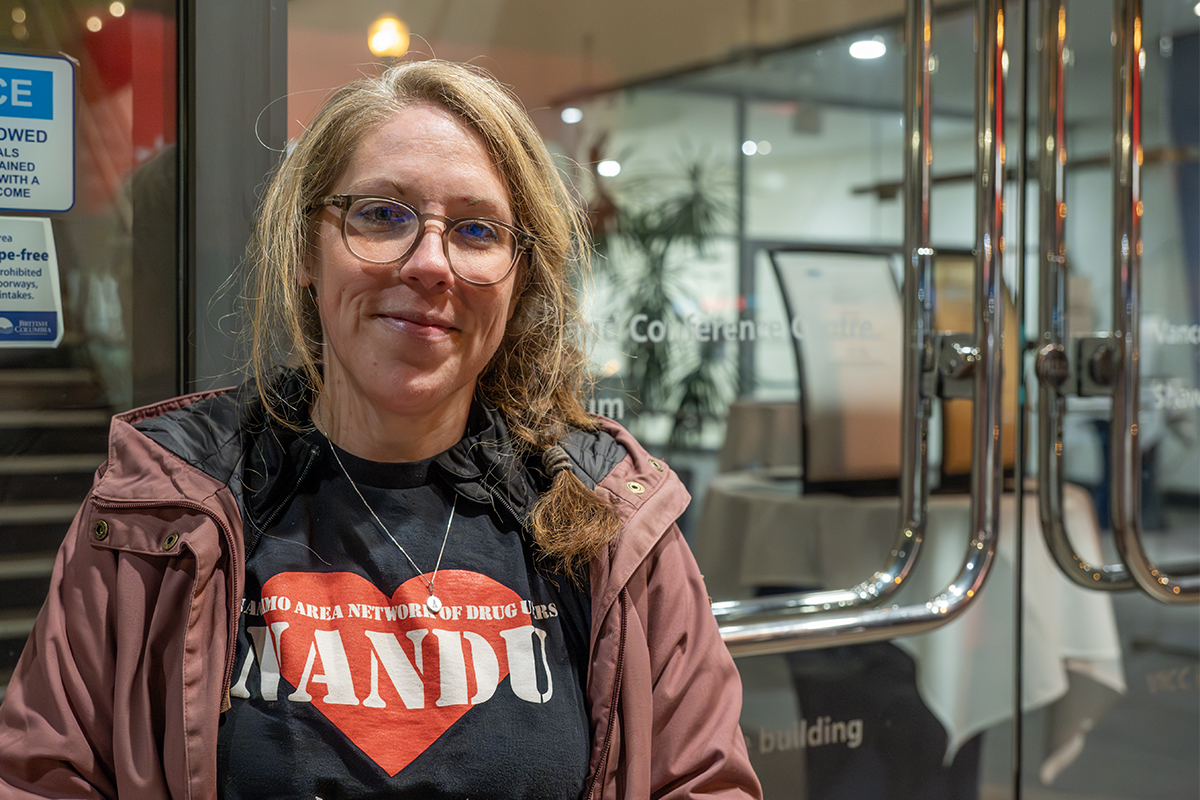
An incredulous Nanaimo City Councillor Hilary Eastmure responds to a comment from Nanaimo Mayor Leonard Krog during a debate on provincial drug policy during the Dec. 1, 2025 city council meeting. Screenshot courtesy of the City of Nanaimo.
Nanaimo City Councillor Hilary Eastmure responds to a comment from Nanaimo Mayor Leonard Krog during a debate on provincial drug policy during the Dec. 1 city council meeting. Screenshot courtesy of the City of Nanaimo.
Nanaimo City Councillor Hilary Eastmure responds to a comment from Nanaimo Mayor Leonard Krog during a debate on provincial drug policy during the Dec. 1, 2025 city council meeting. Screenshot courtesy of the City of Nanaimo.

Following presentations by Sarah Lovegrove, vice president of the Harm Reduction Nurses Association, and Beverly Planes, who spoke about her lived experience with substance use, Coun. Ian Thope made a motion to send a letter to the province around its drug policy.

The motion read: “That Council send a letter to the provincial government asking it to reexamine its philosophy regarding the ongoing drug addiction crisis and resulting mental health and street disorder issues – stating that the current policy of decriminalization and enabling drug use at consumption sites is failing to provide effective long term solutions for either those with addictions, or for neighbourhoods impacted by the problem.”

Lovegrove didn’t mince words in her presentation saying that “politicized arguments like this motion driven by nimbyism and colonial privilege, undermine science, threaten public health and jeopardize the health and safety of our entire community.”

Planes, a mother of four, spoke to council about her lived experience and advocacy as a person who used drugs. 

“This motion is not about reexamining philosophy, it’s about how many funerals we are prepared to accept,” she said. 

Planes told council that every overdose reversed in an Overdose Prevention Site was “one less emergency call, one less crew doing CPR in a stairwell, and one less body in a bag.”

Removing the Overdose Prevention Site, Planes added, would not protect anyone but just shift the burden of responding to overdoses to the fire department. 

Thorpe said his motion was “not directly about the consumption site, to me that is a symbol of the government policy after 12 years of the opioid crisis that needs to be reexamined.” 

Thorpe added that the “root of the problem is substance abuse and drug addiction causing mental illness and resulting social disorder.”

Coun. Ben Geselbracht said that the motion was “throwing the overdose prevention site unnecessarily under the bus,” adding that overdose prevention sites were never meant to be long-term solutions to addiction.

“Their purpose is simple and urgent,” he said. “To prevent death.” 

Coun. Janice Perrino said that she has lost a family member to the overdose crisis and that while overdose prevention sites keep people alive, she supported Thorpe’s motion because “we are failing to provide effective long-term solutions for those with addictions.” 

Coun. Paul Manly told council that his cousin had died of a toxic drug overdose and spoke about the four pillars approach advocated by former Vancouver Mayor Larry Campbell that included harm reduction, education, treatment and enforcement. 

“Right now we’re standing on a pogo stick where we focused on harm reduction,” he said. 

Manly said what’s needed is a housing first approach for people facing homelessness and addiction and the focus of the motion did not reflect that. 

Mayor Leonard Krog supported Thorpe’s motion, acknowledging that the Overdose Prevention Site “does save lives but saving those lives for what purpose?”

“If there’s no treatment available, if we are not putting money at the other end, if we are not providing housing and supports, and if we are not prepared as a society to stop pussyfooting around and put people in secure, involuntary care in far greater numbers than has been suggested.” 

Coun. Hilary Eastmure said she was appalled by the mayor’s statement. 

“To what end?” she asked. “To save their lives.”

Eastmure said that people who use drugs deserve treatment and access to housing.

“Housing is health care and I think this is a big thing that all of this discussion is coming down to, and it’s just not reflected in this motion. 

The motion to send the letter failed 3-5 with Mayor Krog, and councillors Thorpe and Perrino voting for it and councillors Geselbracht, Eastmure, Hemmens, Brown and Manly voting against it. Coun. Sheryl Armstrong, who attended the meeting electronically, was absent for the vote. 

The post Nanaimo city council votes down proposed drug policy letter appeared first on The Discourse..

Read the whole story
sarcozona
17 hours ago
reply
Epiphyte City
Share this story
Delete

Google Starts Sharing All Your Text Messages With Your Employer

1 Share
Getty

Updated on Dec. 2 with Google’s response to the furor around this update.

Microsoft triggered a viral furor when it revealed a Teams update to tell your company when you’re not at work. Now Google has done the same. Forget end-to-end encryption. A new Android update means your RCS and SMS texts are no longer private.

As reported by Android Authority, “Google is rolling out Android RCS Archival on Pixel (and other Android) phones, allowing employers to intercept and archive RCS chats on work-managed devices. In simpler terms, your employer will now be able to read your RCS chats in Google Messages despite end-to-end encryption.”

This applies to work-managed devices and doesn’t affect personal devices. And in certain regulated industries it just adds RCS archiving to existing SMS archiving. But employees in regular organizations view texting as different to emailing, especially given the expectations around end-to-end encryption. That’s no longer the case.

ForbesFBI Warns Gmail And Outlook Users—Do Not Click On These Emails

This underlines the widespread misunderstanding of end-to-end encryption. The security protects your messages when they’re being sent, but once they’re on your phone, they’re decrypted and available to anyone controlling the device.

Google says this is “a dependable, Android-supported solution for message archival, which is also backwards compatible with SMS and MMS messages as well. Employees will see a clear notification on their device whenever the archival feature is active.”

Suddenly, the perk of being given a phone at work is not as good as it might seem. While employees have long been aware of the risks in over-sharing on email — a woefully insecure technology that is easy for employers to monitor, texting has been seen as different. And this isn’t just for regulated industries. All organizations can play along.

Google says “this new capability, available on Google Pixel and other compatible Android Enterprise devices gives your employees all the benefits of RCS — like typing indicators, read receipts, and end-to-end encryption between Android devices — while ensuring your organization meets its regulatory requirements.”

In response to the furor around this update, Google told me "this update does not change or impact the privacy of personal devices. This is an optional feature for enterprise-managed work phones in regulated industries where employees are already notified that their communications are archived for compliance reasons.

There has long been a concern that employees have been turning to shadow IT systems to communicate with colleagues — WhatsApp and Signal in particular. This latest update won’t help make that situation any better.

There have been questions around whether Google’s new update means other messaging app content can also be archived and shared with employers, specifically secure apps including WhatsApp and Signal. The answer is no.

Forbes‘Disaster’—iPhone And Android VPN Ban ‘Actually Happening’

SMS and now RCS messaging is built into the phone’s OS itself, handled by Android (or iOS). Over-the-top platforms are not. They control their encryption and decryption. Their databases can be included in a general phone archive, but don’t need to be.

This is specific to general texting. “Previously,” Google says, “employers had to block the use of RCS entirely to meet these compliance requirements; this update simply allows organizations to support modern messaging — giving employees messaging benefits like high-quality media sharing and typing indicators — while maintaining the same compliance standards that already apply to SMS messaging."

Meanwhile, if you have a work managed Android phone, watch for the message that warns your texts are no longer as private as they were.

Read the whole story
sarcozona
17 hours ago
reply
Epiphyte City
Share this story
Delete

May 2025 — Ninn Salaün

1 Share

May 11th

We report: a night such as this one, when we fell asleep to the sound of beating rain on the roof, we would not have anticipated the moon to be present. As it were, it was there almost through the night, a presence unaffected by the elements, highlighting the rain with its rays.

Read the whole story
sarcozona
19 hours ago
reply
Epiphyte City
Share this story
Delete

The wealthy profit from public lands, and taxpayers pick up the tab - High Country News

1 Share

Stan Kroenke doesn’t need federal help to make a business flourish. He is worth an estimated $20 billion, a fortune that has allowed him to become one of America’s largest property owners and afforded him stakes in storied sports franchises, including the Denver Nuggets and England’s Arsenal soccer club.

Yet Kroenke, whose wife is an heiress to the Walmart fortune, benefits from one of the federal government’s bedrock subsidy programs.

As owner of the Winecup Gamble Ranch, which sprawls across grasslands, streams and a mountain range east of Elko, Nevada, Kroenke is entitled to graze his cattle on public lands for less than 15% of the fees he would pay on private land. The public-lands grazing program, formalized in the 1930s to contain the rampant overgrazing that contributed to the Dust Bowl, has grown to serve operations including billionaire hobby ranchers, mining companies, utilities and large corporate outfits, providing benefits unimagined by its founding law.

President Donald Trump’s administration plans to make the program even more generous — pushing to open even more of the 240 million acres of Bureau of Land Management and Forest Service grazing land to livestock while reducing oversight of the environmental damage. This, members of the administration contend, will further its goal of using public lands to fuel the economy and eliminate the national debt.

“That’s the balance sheet of America,” Secretary of the Interior Doug Burgum said of federal lands at his confirmation hearing in January, “and, if we were a company, they would look at us and say, ‘Wow, you are really restricting your balance sheet.’”

ProPublica and High Country News set out to investigate the transformation of the grazing system into a massive subsidy program. In the late 1970s, Congress raised the fees to graze on public lands to reflect open market prices at the time. But the fees have barely budged in decades. The government still charges ranchers $1.35 per animal unit month, a 93% discount, on average, on the price of grazing on private lands. (An animal unit month, or AUM, represents the typical amount of forage a cow and her calf eat in a month.) 

Our analysis found that in 2024 alone, the federal government poured at least $2.5 billion into subsidy programs that public-lands ranchers can access, not including the steep discount on forage. Subsidies benefiting public-lands ranchers include disaster assistance after droughts and floods, cheap crop insurance, funding for fences and watering holes, and compensation for animals lost to predators.

Benefits flow largely to a select few like Kroenke. Roughly two-thirds of all the livestock grazing on BLM acreage is controlled by just 10% of ranchers, our analysis showed. On Forest Service land, the top 10% of permittees control more than 50% of grazing. This concentration of control has been the status quo for decades. In 1999, the San Jose Mercury News undertook a similar study and found that the largest ranchers controlled the same proportion of grazing within BLM jurisdiction as they do today. Northwest Colorado rancher Danna Camblin, on horseback, moves her family’s herd of cattle to a new pasture to give the land time to recover.Northwest Colorado rancher Danna Camblin, on horseback, moves her family’s herd of cattle to a new pasture to give the land time to recover. Credit: Roberto 'Bear' Guerra/High Country News

“That’s the balance sheet of America, and, if we were a company, they would look at us and say, ‘Wow, you are really restricting your balance sheet.’”

Meanwhile, the agencies’ oversight of livestock’s environmental impact has declined dramatically in recent years. Lawmakers have allowed an increasing number of grazing permits to be automatically renewed, even when environmental reviews have not been completed or the land has been flagged as being in poor condition.

The Trump administration’s push to further underwrite the livestock industry supports ranchers like Kroenke, whose Winecup Gamble is advertised as covering nearly 1 million acres. More than half of that is federal public land that can support roughly 9,000 head of cattle, according to an advertisement in brokerage listings. Last year, Kroenke paid the government about $50,000 in grazing fees to use the BLM land around the ranch — an 87% discount on the market rate, according to a ProPublica and High Country News analysis of government data. Previous owners enjoyed similar economic benefits. Before Kroenke, the ranch belonged to Paul Fireman, the longtime CEO of Reebok, who used losses from companies affiliated with the ranch as a $22 million tax write-off between 2003 and 2018, internal IRS data shows. And before Fireman, it was owned by others, including Hollywood superstar Jimmy Stewart of It’s a Wonderful Life fame.

The land where Kroenke runs his cattle has been degraded by overgrazing, according to the BLM. Kroenke’s representatives did not return messages seeking comment. Fireman declined to comment.

The Trump administration’s retooling of this system is being worked out behind closed doors. In May, the BLM sent a draft of proposed revisions to federal grazing regulations — what would be the first updates to them since the 1990s — to the U.S. Department of the Interior, according to communications reviewed by ProPublica and High Country News.

In October, the administration released a 13-page “Plan to Fortify the American Beef Industry.” In addition to instructing the BLM and Forest Service to amend grazing regulations, including those that govern how ranchers obtain permits to graze their herds and how environmental damage from their animals is assessed, the plan called for increasing the subsidies available to ranchers for drought and wildfire relief, for livestock killed by predators and for government-backed insurance.

The Forest Service did not respond to requests for comment. The White House referred questions to the U.S. Department of Agriculture, which said in a statement, “Livestock grazing is not only a federally and statutorily recognized appropriate land use, but a proven land management tool, one that reduces invasive species and wildfire risk, enhances ecosystem health, and supports rural stewardship.”

In a statement, a BLM spokesperson said that the agency’s mandate includes “sustaining a healthy and economically viable grazing program that benefits rural communities, supports America’s ranching heritage, and promotes responsible stewardship of public lands. The grazing program plays an important role in local economies and land management, providing tools to reduce wildfire risk, manage invasive species, and maintain open landscapes.”

Ranchers say that taxpayers benefit from helping them continue their work, since public-lands grazing can prevent private land from being sold and paved over. Bill Fales and his family run a ranch in western Colorado that has been in his wife’s family for more than a century, and their cattle graze in the nearby White River National Forest. “The wildlife here is dependent on these ranches staying as open ranch land,” he said. As development elsewhere carves up habitat, Fales said, the public and private lands his cattle graze are increasingly shared by elk, bears, mountain lions and other species.

Ranchers and their advocates also point to the livestock industry’s production of meat, leather and wool. And as a pillar of rural economies, ranching preserves a uniquely American way of life. 

The major trade groups representing public lands ranchers did not respond to requests for comment.

While the country loses money on public-lands ranching, both ranchers and critics of the system agree on one thing: Without subsidies, many smaller operators would go out of business. Source: Forest Service and Bureau of Land Management Credit: Mapping: Lucas Waldron/ProPublica

SETTLERS COVERED MUCH OF THE WEST WITH CATTLE beginning in the mid-1800s, spurred by laws and incentives meant to realize the country’s “manifest destiny.” As the nation expanded, settlers, with the backing of the federal government and the military, seized the Indigenous land that would later be called the public domain.

Unchecked grazing followed.

“On the Western slope of Colorado and in nearby States I saw waste, competition, overuse, and abuse of valuable range lands and watersheds eating into the very heart of Western economy,” observed Rep. Edward Taylor, a Colorado Democrat, as Congress was considering how to properly manage grazing in the 1930s. “The livestock industry, through circumstances beyond its control, was headed for self-strangulation.”

In 1934, as Depression Era dust storms darkened the skies over the Great Plains, worsened by overgrazing that denuded grasslands, President Franklin D. Roosevelt signed the Taylor Grazing Act, named for the lawmaker. It divided much of the public domain into parcels, called allotments, and established a permit system to lease them a decade at a time.

Congress modernized laws governing public lands in 1976 with the passage of the Federal Land Policy and Management Act, which required federal agencies to balance competing uses, such as grazing, mining, timber, oil drilling and recreation. Two years later, Congress passed a law that brought grazing fees in line with the value of forage on the open market at the time. 

Today, ranching interest groups justify their subsidies by arguing that their livestock feed the country. According to Agriculture Department research, ranching on federal lands accounts for $3.3 billion in economic output annually and supports nearly 50,000 jobs.

But grazing on public lands sustains just 2% of the nation’s beef cattle while accounting for a vanishingly small proportion of the country’s agriculture industry.

ProPublica and High Country News’ analysis found that the government disproportionately benefits the largest ranchers, who account for a majority of public-lands grazing.

“The livestock industry, through circumstances beyond its control, was headed for self-strangulation.”

The J.R. Simplot Co. is the largest rancher on BLM land. Founded as a family business in Idaho nearly a century ago, it made a fortune in part by selling potatoes to McDonald’s. The business has since ballooned into a multinational agricultural conglomerate. J.R. Simplot benefits significantly from subsidized forage, paying $2.4 million below market rate to graze nearly 150,000 AUMs on federal lands last year, according to an analysis of BLM and Forest Service data.

The company did not respond to a request for comment.

Industrywide, the $21 million collected from ranchers by the BLM and Forest Service was about $284 million below market rate for forage last year.

Fales, the Colorado rancher, relies on access to cheaper forage on federal land. To him, it makes sense that grazing there is less expensive. “Private leases are almost always more productive land,” he said. And unlike private leases, public leases typically require ranchers to pay for the maintenance of infrastructure like fences and water tanks beyond what land-management agencies fund.

The full cost to taxpayers, including grazing’s impact on the land, is unknown.

Even before Trump began to aggressively downsize the federal workforce, it was impossible for agencies’ limited staff to monitor the public lands for environmental damage from excessive grazing. The number of BLM rangeland managers fell by 39% from 2019 through 2024, according to the most recent Office of Personnel Management data. By June 2025, after the Trump administration spurred a mass exodus from the federal workforce, the number had shrunk by another 9%, according to internal BLM employment data.

Now, each rangeland manager is responsible for an average of 716 square miles, making it impossible for them to inspect their entire territory every year, BLM employees said.

On the Winecup Gamble Ranch near the Nevada-Utah border, billionaire owner Stan Kroenke has access to steeply discounted forage on more than half a million acres of Bureau of Land Management grazing allotments. Roberto ‘Bear’ Guerra/High Country News

FOR MANY OF THE COUNTRY’S LARGEST RANCHERS, the benefits of running cattle on public lands extend beyond profits from selling beef.

In June, Air Force Two landed in Butte, Montana, where Vice President JD Vance transferred to a motorcade of black SUVs that shuttled him south to a sprawling cattle operation near Yellowstone National Park. Vance had traveled to this remote ranch to meet with its owner — Rupert Murdoch, the billionaire founder of Fox News.

In 2021, Murdoch purchased the Beaverhead Ranch for $200 million from a subsidiary of Koch Industries, the conglomerate controlled by conservative billionaire Charles Koch. Peggy Rockefeller Dulany, an heir to the Rockefeller fortune, owns a massive ranch nearby. Dulany’s ranch did not respond to a request for comment. 

“This is a profound responsibility,” Murdoch told The Wall Street Journal through a spokesperson when he bought the ranch. “We feel privileged to assume ownership of this beautiful land and look forward to continually enhancing both the commercial cattle business and the conservation assets across the ranch.”

Ultrawealthy families like the Murdochs, Kochs and Rockefellers own cattle ranches for a variety of reasons. Some want a taste of cowboy-themed luxury or the status gained from controlling vast and beautiful landscapes.

For some, it’s also good business. Even hobby ranches qualify for big property tax breaks in certain jurisdictions. Business expenses related to ranching can be deducted from federal taxes. And federal agencies assign grazing permits to the owners of nearby private ranches, called “base properties,” inflating the value of those properties and making them stable long-term investments. Real estate agents touted Murdoch’s ranch as encompassing 340,000 acres, but two-thirds of that land is public and leased from the Forest Service and BLM.

As with Kroenke’s operation, taxpayers help underwrite grazing at Murdoch’s ranch.

Beaverhead paid less than $25,000, 95% below market rate, to graze on federal lands last year, according to an analysis of agency data.

At least one of Beaverhead’s BLM allotments in the picturesque Centennial Valley — a several-thousand-acre parcel known as Long Creek AMP — is failing environmental standards as a result of grazing. Matador Ranch and Cattle, which was formed from the aggregation of Beaverhead and a smaller ranch purchased by Murdoch in 2021, declined to comment for this story. 

“We feel privileged to assume ownership of this beautiful land and look forward to continually enhancing both the commercial cattle business and the conservation assets across the ranch.”

Public-lands grazing can also help advance unrelated businesses. The Southern Nevada Water Authority, which serves the Las Vegas Valley, is continually searching for new sources of water. Beginning in the 2000s, the utility purchased land hundreds of miles from Las Vegas in order to acquire its groundwater rights. Those properties were associated with public-lands grazing permits, which the utility inherited. Bronson Mack, the water authority’s spokesperson, said in a statement that it continues the grazing operation as part of its “maintenance and management of property assets, ranch assets, and environmental resources in the area.”

Mining companies are among the biggest public-lands ranchers, in part because grazing permits afford them greater control over areas near their mines. Copper-mining companies like Freeport-McMoRan, Hudbay Minerals and Rio Tinto all run large cattle operations in Arizona, for example.

A Hudbay representative sent a statement that said, “Ranching and mining have coexisted in Arizona for generations, and we operate both with the same commitment to land stewardship and care for our neighboring communities.” The other companies did not respond to requests for comment.

Nevada Gold Mines, which owns 11 ranches surrounding its northern Nevada operations, is the behemoth of the group. A joint venture between the world’s two largest gold-mining companies, the company holds millions of acres of grazing permits.

“We own them for access,” explained Chris Jasmine, the company’s manager of biodiversity and rangelands. “Access to mineral rights, water rights and mitigation credits.”

Many of Nevada Gold Mines’ grazing permits surround its open pits, including the largest gold-mining complex in the world. Access to that land makes it easier for the company to participate in programs that give it credits in exchange for environmental restoration projects. Then, the company can either sell these credits to other companies or use them to offset its environmental impacts and expand its mines.

Jeff Burgess, who tracks grazing subsidies via a website he calls the Arizona Grazing Clearinghouse, said such massive government assistance provides little benefit to taxpayers.

“When does the spigot stop? When do we stop throwing away money?” asked Burgess. “It’s a tyranny of the minority.” Cattle congregate at a watering hole (bottom left) near northern Nevada’s Cortez Mountains, cutting paths into a checkerboard of public BLM lands and private Nevada Gold Mines property, including the massive Goldstrike Mine north of Carlin, Nevada (top). Chris Jasmine, (bottom right) oversees a livestock operation for Nevada Gold Mines that grazes around 5,000 head of cattle on public and private lands. Roberto ‘Bear’ Guerra/High Country News

IN CENTRAL NEVADA’S REESE RIVER VALLEY, A RED BRICK farmhouse that once served as the headquarters of the Hess Ranch has been reduced to crumbling chimneys and shattered windows. Despite its dilapidated appearance, this ranch is one of the private base properties that has allowed a little-known company called BTAZ Nevada to assemble a livestock empire that stretches across roughly 4,000 square miles of public lands, according to a Western Watersheds Project analysis of BLM and Forest Service data.

This empire illustrates the livestock industry’s consolidation, the subsidies that prop it up and the environmental harm that often follows. 

Based in Fremont, Nebraska, BTAZ belongs to the Barta family, which owns Sav-Rx, an online provider of prescription medication. The contact phone number BTAZ provided to the BLM is a Sav-Rx customer service line. The family patriarch, Jim Barta, was convicted in 2013 on felony charges for conspiracy to commit bribery. (The conviction was overturned after a judge ruled that Barta had been subjected to entrapment. Barta has since died.)

“We own them for access. Access to mineral rights, water rights and mitigation credits.”

The Bartas’ operation, now among the largest beneficiaries of the public-land grazing system, includes permits in Nevada, Oregon and Nebraska. Last year, BTAZ paid the government $86,000, $679,000 less than the market rate, according to agency data.

In the Toiyabe Range of Nevada, where BTAZ’s BLM and Forest Service grazing allotments border each other, cow feces covered the ground around a stock tank fed by mountain streams. A dead raven floated on the water’s surface. The BLM listed allotments in this area as failing land-health standards due to grazing in 2020 and again in 2024.

Higher in the mountains, the evidence of BTAZ’s grazing was even clearer: swaths of ground chewed and trampled bare, discarded plastic piping, cow feces and bones in an unfenced creek. Streams like these were once suitable habitat for native Lahontan cutthroat trout. But activities such as grazing and development have degraded so much habitat that the threatened species now occupies only 12% of its historical range, according to a 2023 survey by the U.S. Fish and Wildlife Service.

“This is completely unnecessary,” Paul Ruprecht, Nevada director of the Western Watersheds Project, said as he surveyed the damage. “It’s not supporting the local economy, at least in any major way; it’s not providing significant amounts of food for anyone; it’s being heavily subsidized at every turn by taxpayers; it’s not adding anything to the scenery or the wildlife.”

BTAZ did not respond to requests for comment. Paul Ruprecht, Nevada director of the Western Watersheds Project, examines a water trough that straddles a boundary between BLM and Forest Service lands in central Nevada’s Reese River Valley and is used by a BTAZ herd (left). On a BTAZ grazing allotment, cow bones litter the ground near a degraded creek, the type of ecosystem that once supported the threatened Lahontan cutthroat trout (right). Roberto ‘Bear’ Guerra/High Country News

SMALLER RANCHERS HAVE ACCESS TO MOST OF THE SAME subsidies as the wealthiest ranchers, but the money isn’t enough to protect them from harsh economic headwinds.

Roughly 18,000 permittees graze livestock on BLM or Forest Service land. The bottom half accounts for less than 4% of the AUMs on BLM land and less than 10% of those on Forest Service land, an analysis of the agencies’ data found.

The smaller operations lack the economies of scale available to larger corporations, making it difficult for them to survive on agriculture’s thin profit margins. They’re also more vulnerable to shifting conditions on the ground. Climate change has strained their water supplies. And more than 70,000 wild horses and burros now compete with livestock for forage.

Consolidation in the meatpacking industry is further squeezing ranchers. The four largest operations have taken over more than 80% of the market, giving them leverage to lower the prices paid to ranchers.

Burgess argues the federal government should stop supporting ranchers who would otherwise go out of business. “They refuse to face the reality that a lot of people aren’t going to be able to raise cattle profitably, so they’re just throwing money at it,” he said, calling the system “a vestige of the past.” Mike Camblin (left) and his wife, Danna (right), ranchers in northwest Colorado, use virtual fencing technology to move their cattle (below). Roberto ‘Bear’ Guerra/High Country News

That could have ripple effects, shuttering businesses in rural towns. It could also force small ranchers to sell their private land — perhaps to developers who would build on the open spaces, perhaps to wealthy owners like Kroenke or BTAZ.

Mike and Danna Camblin run a small cattle operation near the Yampa River in northwest Colorado. Years of drought have forced them to downsize their herd, while each year they must tie up much of their money in their operation until they can sell their animals. Even with beef prices breaking records, they couldn’t turn a profit without subsidized drought insurance and other government support — including the ability to graze cheaply on federal land.

“Most of these BLM leases have been in the family for years and years, and, if you take care of it, the BLM will allow you to continue to stay,” Mike Camblin said. If they lose their federal grazing permits or otherwise can’t make the economics work, the Camblins might have to sell their private land. Camblin has mixed feelings about the influence of government assistance on his industry, saying it “tethers us to those subsidies.”

“That’s where they screwed up, they started subsidizing a lot of these guys clear back in the Dust Bowl,” Camblin said of the biggest ranches. Some larger operators who don’t need government assistance take advantage of the system, he said, speaking favorably of an income-based metric that limits richer producers’ access to certain agricultural subsidies.

Smaller ranchers’ precarious financial situation can lead to environmental harm, as they may run too many livestock for too long on federal land where grazing is cheaper.

The Camblins make environmental stewardship part of their operation — monitoring soil and plant health and rotating their several hundred head of cattle among pastures to let the ground rest — but that adds costs.

“A cow turd will tell you more than anything else,” Camblin remarked as he eyed a fresh one left by his cattle. If it’s flat, that means the cow is getting enough protein from the grass, he said. If it degrades rapidly, that means insects are attracted to the plentiful organic matter. “I spend more time looking down than at the cattle.”

If the Camblins lose their federal grazing permits, they might have to sell their private land.

Technology helps them rotate their herds. Danna Camblin’s smartphone displayed a satellite view of the area that showed purple cow icons confined within red polygons — virtual fences that shock the cattle via collars should they stray. Unlike physical fences, virtual fences don’t get in the way of migrating wildlife, and the Camblins can redraw them in an instant to shift their cattle to less-grazed areas.

Leasing the collars for the system cost nearly $18,000 last year, Mike Camblin said.

Silvia Secchi, a University of Iowa economist who studies agriculture, said federal grazing subsidies need to be reimagined so they benefit the American public instead of enriching the wealthiest ranchers. She suggested potential solutions like subsidizing co-ops that allow smaller ranchers to access economies of scale, capping the size of ranching operations that pay below market rate for forage and ending disaster payments for climate change-fueled droughts that are here to stay.

“We have baseline subsidies that are going up and up and up because we are not telling farmers to change the way you do things to adapt,” Secchi said.

Secchi and the Camblins agree that ending all public support would have repercussions for rural communities and landscapes. Mike Camblin acknowledged it could put his and Danna’s operation at risk.

“You’re going to lose your small rancher,” he said.   As part of the virtual fencing technology they utilize, the Camblin’s cattle wear collars that give a cow a shock if it strays. Credit: Roberto 'Bear' Guerra/High Country News

For more information about the data and analyses used in this story, visit hcn.org/grazing-data.

Gabriel Sandoval of ProPublica contributed additional research.

This story is part of High Country NewsConservation Beyond Boundaries project, which is supported by the BAND Foundation. Additional financial support provided by the Fund for Investigative Journalism.

Aerial support provided by LightHawk.

We welcome reader letters. Email High Country News at editor@hcn.org or submit a letter to the editor. See our letters to the editor policy.

This article appeared in the December 2025 print edition of the magazine with the headline “Free Range.”  

Spread the word. News organizations can pick-up quality news, essays and feature stories for free.

Creative Commons License

Republish our articles for free, online or in print, under a Creative Commons license.

Read the whole story
sarcozona
21 hours ago
reply
Epiphyte City
Share this story
Delete
Next Page of Stories