plant lover, cookie monster, shoe fiend
20579 stories
·
19 followers

Understanding the flood of CO2 pouring out of Canada’s managed forest | Canada's National Observer: Climate News

1 Share

Canada’s managed forest is one of the largest living reservoirs of carbon on the planet. For centuries it slowly filled, as billions of growing trees pulled carbon dioxide (CO2) from the air and stored it away in their wood. This ancient, continent-spanning "carbon sink" now locks away more than 100 billion tonnes of CO2, helping keep the climate calm and cool. 

But the flow of CO2 has completely reversed in the last couple of decades. What started as a trickle has turned into a growing flood of CO2. And that flood surged right off the charts in both 2023 and 2024.

The amount of Canadian forest carbon pouring into the atmosphere now dwarfs the fossil fuel emissions of most nations. And this crisis is accelerating.

That’s the sobering story told by Canada’s recently released National Inventory Report (NIR) which covers our nation’s managed forest carbon from 1990 through 2024. 

More than four billion tonnes, so far

Unlike most forms of pollution that dissipate quickly, CO2 can persist for centuries, building up in the atmosphere and oceans. As a result, it is our cumulative emissions of CO2 that determine how extreme the climate emergency will become for ourselves and for generations to come.

My first chart focuses on the cumulative CO2 emitted by Canada’s managed forest carbon since 1990.

All this CO2 used to be stored away in wood and soils. Now it is in the atmosphere.

Three critical things jump out at me from this chart. 

The first is the massive scale of these emissions — 4,200 million tonnes of CO2 (MtCO2) by the end of 2024. For comparison, most of the world’s nations emitted far less CO2 during those years. 

A second key thing to note is that Canada’s managed forest used to be a helpful CO2 sink (green line). During the 1990s, the forest was removing more CO2 from the air than it was losing — and locking that extra CO2 away in wood and soils. 

But starting in the early 2000s, more forest carbon has been turned back into CO2 than the forest replaced. This shift from CO2 sink to CO2 source has pumped billions of tonnes of CO2 into the atmosphere, as shown by the rising red line.

And the third critical takeaway from this chart is that the red line isn’t rising steadily; it’s accelerating.

An accelerating crisis

My next chart lets you see the acceleration more clearly. It focuses on annual changes, with each year having its own bar. 

Years when more managed forest carbon was turned into CO2 than the forest recaptured are shown in red. Green shows the opposite.

During the 1990s, most years were green. 

Starting in 2002, however, every year has been red. That’s 22 straight years of adding CO2 to the atmosphere. 

And notice how the red bars keep growing more extreme. This shows that the crisis is accelerating — much like a boulder rolling downhill. 

In 2023 and 2024, this acceleration jumped to a new level. With record-smashing emissions of 1,000 MtCO2 and 430 MtCO2, these years were many times more extreme than the worst years just a decade ago. The rolling boulder is gaining speed as it careens through our forests.

Those red bars vary a lot from year to year. When climate scientists want to more clearly understand the underlying trend in “noisy” data like this, they often look at decade averages. I’ve shown decade averages as black horizontal lines on the chart. 

During the 1990s decade, the forest removed an average of 10 MtCO2 from the atmosphere each year. It was a small, net carbon sink. By the middle decade, however, carbon losses dominated and 110 MtCO2 was emitted each year on average. And then, during the most recent decade, the average leaped to nearly 300 MtCO2 emitted per year. If we allow this trend to continue, the decades ahead will be overwhelmingly worse.

Where is all the CO2 coming from?

Canada’s NIR reports managed forest carbon in six main categories. My next chart shows the cumulative CO2 impact for each one since 1990.

Four categories have been net CO2 sources (red bars), while two have been net CO2 sinks (green bars). As we saw above, all of them combined resulted in net emissions of 4,200 MtCO2 since 1990. That total is shown by the red bar on the right.

The first two sources come from logging.

Harvested wood has emitted more than four and a half billion tonnes of CO2 since 1990. That’s from the burning and decay of wood hauled out of the forest. The dashed box shows that another billion tonnes of CO2 waits in wood still in use. 

Forest areas that have been logged emitted an additional three billion tonnes. 

The remaining two sources come from insects and wildfire. These were formerly low-level impacts. In the last couple of decades, however, they’ve been turbocharged by our fossil-fueled climate shifts. Canada’s forests have drawn the short climate straw because they are overheating and drying out much faster than southern ones. 

Native insects, such as bark beetles, have been helped by our fossil-fueled warming and drought, while the giant trees they feed have been weakened. Explosive insect outbreaks have resulted in a billion tonnes of CO2 since 1990.

Wildfire has also been turbocharged by our fossil-fueled warming and drought. Wildfires continue to explode in increasing scale and ferocity. Nearly five billion tonnes of CO2 have been directly emitted by wildfires since 1990. 

Those four CO2 sources — harvested wood, logged areas, insects and wildfire — have collectively emitted 13 billion tonnes of CO2 since 1990.

The forest’s two sinks have pulled nine billion tonnes of CO2 back out of the air and stored it away in wood. These are shown by the green bars on the chart. 

The largest sink is unlogged forest areas with mature trees. These areas, which humans have mostly left alone, removed six billion tonnes of CO2 from the air since 1990. 

The smaller sink is forest areas recovering from wildfire. Regrowth after wildfires has removed three billion tonnes of CO2. This has partly offset the five billion tonnes directly emitted by wildfire. Unfortunately, the data shows that this post-wildfire sink has stopped growing. The annual amount of CO2 recaptured by it has dropped to zero.

As the chart above illustrates, billions of tonnes of CO2 that were locked away in forest carbon have drained back out on the backs of logging trucks and in the swirling smoke of fossil-fueled wildfires. This flood of CO2 is far larger than Canada’s managed forest has been able to recapture. 

If we want to rein in this metastasizing climate threat while we still can, we need to bring our managed forest back into carbon balance with the atmosphere.

There is plenty more CO2 where that came from

The 4,200 MtCO2 of Canada’s managed forest carbon that has already been lost to the atmosphere is a tiny fraction of what remains.

A study by Natural Resources Canada pegs the "wood volume" in Canada’s forests at 50 billion cubic metres. That much wood stores around 60,000 MtCO2. A similar amount is held in roots and soil. This suggests at least 100,000 MtCO2 remains stored in our forest. 

If we are foolish enough to keep cranking open the floodgates on this massive carbon reservoir, there is more than enough CO2 remaining to overwhelm any climate progress Canadians make elsewhere. 

And there’s more than enough to fill our lives with chaotic megafires and choking smoke for centuries to come.

In her classic 2006 climate book, Field Notes from a Catastrophe, Elizabeth Kolbert relates a FAFO warning from climate scientist Donald Perovich: 

“You’ve got a big boulder sitting there on this rolling hill … you start rocking it, and you get a bunch of friends, and they start rocking it, and finally it starts moving. And then you realize, maybe this wasn’t the best idea. That’s what we’re doing as a society.” 

We, and the great ecosystems we rely on, would be in a much safer place today if we’d acted decades ago. The next best time is now.

Read the whole story
sarcozona
20 hours ago
reply
Epiphyte City
Share this story
Delete

How frustration at Cop stalemates inspires first global talks on phasing out fossil fuels

1 Share

‘Coalition of the willing’ gathers in Colombia to try to bypass petrostate blockages of Cop summits and chart fresh path

The world’s first Transitioning Away from Fossil Fuels conference, co-hosted by Colombia and the Netherlands, takes place in Santa Marta, Colombia, from 24 to 29 April. A “coalition of the willing” – including 54 countries and various subnational governments, civil society groups and academics – will try to chart a new path to powering the world with low-carbon energy.

Continue reading...
Read the whole story
sarcozona
21 hours ago
reply
Epiphyte City
Share this story
Delete

Canada's top envoy to Washington apologizes for sending an English-only invitation

1 Comment
Canada's top envoy to Washington apologized on Thursday for sending an English-only invitation to members of Parliament at a committee meeting in Ottawa where he faced questions about supply management and the state of trade negotiations with the United States.
Read the whole story
sarcozona
21 hours ago
reply
Good lord now is not the time to antagonize Quebec
Epiphyte City
Share this story
Delete

‘We're really worried’: 4 grey whales found dead off B.C. coast in 10 days | CBC News

1 Share

A recent surge of grey whale deaths off the B.C. coast has researchers concerned.

The Department of Fisheries and Oceans (DFO) responded to four dead whales off the west coast of Vancouver Island in 10 days.

DFO marine mammals co-ordinator Paul Cottrell said three necropsies were performed with the help of Huu-ay-aht, Kyuquot/Cheklesaht, and W̱SÁNEĆ First Nations.

"Two are severely emaciated. They’re basically a bag of bones, really sad to see that kind of body condition," Cottrell said.

A grey whale found near Sidney, B.C., was towed by DFO on April 17 so a necropsy could be done. (DFO)

On April 8, a grey whale was found dead near Barkley Sound and a second dead grey whale was discovered on April 9 near Kyuquot. The next day another grey whale was found floating in Barkley Sound. The fourth grey whale was discovered off Sidney on April 17.

"Some of the worst animals I've ever seen," Cottrell said.

A total of five grey whales have been found dead in B.C. waters this year, and researchers believe a dramatic decline in available prey in their Arctic feeding grounds is to blame for the deaths.

"Last year, feeding in the Bering and Chukchi Seas was really not a great year for grey whales," Cottrell said.

Stephen Raverty with B.C.'s Ministry of Agriculture and Food led a necropsy on a whale that was found dead off of Sidney on Vancouver Island. (Stephen Raverty)

John Calambokidis, a research biologist at Cascadia Research Collective, said 13 dead grey whales have been found dead this year off Washington state.

Calambokidis said dead whales are being found "at a rate that has surprised us."

The Marine Mammal Center and the California Academy of Sciences confirmed eight grey whale deaths in the San Francisco Bay Area so far this year.

"Never have they come at this pace this early, so we're really worried about where this is headed," Calambokidis said.

A grey whale was spotted in the San Francisco Bay by the Marine Mammal Center’s Cetacean Conservation Biology team on Feb. 26. The centre's data has shown individual grey whales are spending longer periods of time in the bay where many are actively foraging, heightening the risk of vessel strikes. (Darrin Allen/The Marine Mammal Center)

Grey whales primarily feed on benthic amphipods, small crustaceans found in the bottom sediment.

"There has been documentation of declines in those benthic amphipod populations, but all of that is also complicated by the fact that the most dramatic changes in the Arctic ecosystem have been this progressive overall loss in ice cover," Calambokidis said.

Declining grey whale population 'alarming,' says researcher

The grey whale population has been dwindling, estimated at just under 13,000.

"That was less than half what it had been 10 years previous, so a greater than 50 per cent decline in 10 years is alarming," Calambokidis said.

Back in 2019, there was a significant spike with 216 grey whales found dead.

"It was declared an unusual mortality event. We actually declared that over in 2023," Calambokidis said.

A skinny grey whale is photographed on April 17 in Barkley Sound off Vancouver Island. (Wendy Szaniszlo/DFO)

This year could surpass the worst year in B.C. when 11 dead grey whales were discovered in 2019, according to Cottrell.

"We could be in for a worse year than the worst year that we've had," Cottrell said.

There are also concerns about the calf production rate as the females are not healthy enough to have babies, he said.

"[It’s] the lowest calf production on record, in recent history, so that doesn't bode well," Cottrell said.

Last year, 158 grey whales were found dead, four of them in Canadian waters.

A grey whale seen swimming in the waters off Vancouver in March. (Alex Cole)

Both Cottrell and Calambokidis expect the number of deaths to continue rising as the whales migrate through to June.

"We're only a very small portion of the way through that," Calambokidis said.

More research needed

Wendy Szaniszlo, a DFO marine mammal technician on Vancouver Island, saw a group of grey whales off Barkley Sound on April 17.

"It looked like almost two-thirds of them were very skinny," Szaniszlo said. "Their scapula or shoulder blades were protruding."

She thinks more research would help the population as "there is very little known about grey whales in B.C."

Wendy Szaniszlo says she saw 20 grey whales feeding off Vancouver Island and said almost two-thirds of them were very skinny. (Wendy Szaniszlo/DFO)

"Without knowing what prey types are important to them and what habitat is important to them, it's going to make it really hard to try to protect," Szaniszlo said.

She encourages anyone on the water to give grey whales lots of space and report any dying whales to DFO immediately.

Cottrell said necropsies are important to find out exactly what is going on and rule out pathogens.

"It's important to really pay attention when we have this migrating species that covers great distances and feeds on small critters, it can be a real indication of things to come," Cottrell said.

Read the whole story
sarcozona
2 days ago
reply
Epiphyte City
Share this story
Delete

Commentary: Internal medicine at the crossroads of long COVID diagnosis and management

1 Share

When psychologizing Long COVID causes harm

We read with attention the article by Ranque and Cogan (1) entitled “Internal medicine at the crossroads of Long COVID diagnosis and management.” While the authors raise questions regarding the interplay between persistent symptoms, psychological factors, and illness perception in Long COVID (LC), key aspects of their interpretation do not reflect substantial biomedical evidence, thereby affecting the conclusions drawn. In addition, little attention is paid to the epistemic and clinical implications of uncertainty, including the harm it has caused patients.1 This commentary offers a constructive critique and proposes a more comprehensive perspective of LC with direct impact on patient care.

1 Analytical framework

1.1 Methodological considerations and conceptual clarity

The authors adopt a narrative review approach rather than a systematic evaluation of evidence strength. In the absence of meta-analytic synthesis, risk-of-bias assessment, or standardized quality appraisal, causal inferences remain limited and prone to extrapolations (2, 3).

The article relies on broad and heterogeneous definitions of LC, conflating self-reported prolonged symptoms with clinically confirmed cases, while not consistently applying standardized criteria proposed by WHO, NASEM, or ISARIC (4, 5). Such criteria are essential for conceptual coherence, etiological interpretations, and the avoidance of overgeneralization (6). Similarly, their survey relies on a non-random, voluntary sample confined to a single national context, thereby limiting representativeness and introducing potential bias.

The discussion emphasizes that psychological factors drive and perpetuate LC symptoms through the theoretical and clinically applied construct of “Functional Somatic Disorder (FSD),” promoted as a replacement for earlier notions such as somatoform disorders or medically unexplained symptoms (7, 8). However, the existing literature is limited by selection bias and reliance on self-report screening tools, risking conflating primary pathology with psychological symptoms and obscuring causality. It has also not yielded mechanistic insight or objective outcomes and lacks longitudinal follow-up. Moreover, FSD has been criticized for its lack of conceptual and clinical robustness, including poor differentiation between overlapping patient groups, blurred diagnostic boundaries, and overly inclusive criteria, thereby functioning as a broad residual category rather than a clearly delineated disease entity (912). Without longitudinal or causal-modeling analyses, assigning primary etiological significance to psychological factors likely overlooks reverse causality and overstates their role (13, 14). In particular, citing the failure of biomedical interventions in clinical trials to support psychological explanations seems unwarranted, given that trial authors themselves acknowledged a lack of biomarkers as a key limitation (15). By contrast, no analogous conclusion is drawn from the limited evidence base for “cognitive behavioral therapy” and “gradual physical activity” (16, 17).

1.2 Scope and selection of evidence

Of further concern is the selective emphasis on functional or psychosomatic explanations, as reflected in three biomedical evidentiary gaps, constraining mechanistic interpretation and, in turn, the conclusions drawn:

(i) Immunological uncertainty

Claims that there is no consensus on immunological mechanisms are not well-supported when grounded in a restricted citation base rather than in a comprehensive appraisal of the literature (18), a standard not applied consistently to other post-acute infection syndromes (PAIS) such as Guillain-Barré (19).

(ii) Pre- and post-pandemic multisystem mechanisms

The authors do not consider pre-pandemic evidence linking human coronaviruses to prolonged symptoms (2024), nor key post-pandemic research increasingly pointing to associations with viral persistence, immune dysregulation, neuro-inflammation, endothelial/microvascular and skeletal muscle damage, mitochondrial dysfunction, blood–brain barrier disruption, autonomic impairment, post-exertional malaise and broader multi-system injury (2550). Emerging evidence of causal mechanisms further supports biologically grounded hypotheses and motivates mechanistic and interventional research (51).

(iii) Neuroimaging, biomarkers, and replicated signals

Advanced neuroimaging has reported neural and metabolic alterations, interpreted as consistent with diffuse gliosis, distinct from primary psychiatric disease, and aligned with LC patients' symptoms (5255). In addition, candidate biomarkers provide converging support for the hypothesis of viral persistence replicated across different cohorts (5658).

2 Impact of functional diagnoses on Long COVID patient wellbeing

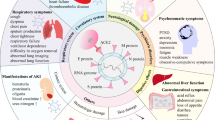
LC is a complex condition whose persistent uncertainty places patients in a position of heightened vulnerability and clinicians in an epistemic bind. Sociological research in healthcare shows that clinical uncertainty is not merely epistemic but also relational and emotional, with “not knowing” itself being burdensome (59, 60). When clinicians fail to engage in reflexivity (e.g., acknowledging their own limitations, knowledge gaps, and the relational impact of uncertainty) and instead advance judgments, or at least suggestive assertions, that frame illness primarily or disproportionately as psychosomatic/psychosocial, patients may further experience avoidable distress, self-doubt, diminished agency, isolation, and further psychological burden (6064).

Conversely, reflexive practice enables clinicians to acknowledge patients' embodied uncertainty, support shared decision-making, and strengthen the therapeutic alliance. Paradoxically, such reflexive practice—presumably central to FSD-oriented care—is absent from frameworks often described as “functional,” “holistic,” or “biopsychosocial” (65). As a result, FSD may engender stigma, adversely affecting patient wellbeing, healthcare experiences, and clinical outcomes (66), consistent with LC patients' testimonies, which highlight that limited clinical reflexivity and epistemic humility can turn uncertainty itself into a source of harm (67) (Figure 1).

3 Discussion

LC is heterogeneous both clinically and biomedically, encompassing multiple symptom clusters, trajectories, and levels of impairment that likely reflect partially distinct underlying mechanisms and care needs, thereby underscoring the need for biomedical subclassification. Notably, LC is now widely described as a PAIS (6873), supported by comprehensive biomedical frameworks that integrate replicated findings across geographically distinct cohorts (7480) and by emerging interventions targeting underlying pathophysiological mechanisms (51, 81). In this regard, we suggest the article overemphasizes psychosomatic/psychosocial explanations by drawing primarily on a narrow subset of the literature over the broader biomedical and medico-sociological record; evidence from chronic disease research indicates that psychological responses typically reflect the consequences of prolonged illness rather than its primary cause—a pattern also observed in LC (8286).

Moreover, this subset is then viewed through the lens of FSD. As highlighted in 2.1, FSD's conceptual rationale as well as its application in clinical practice–both solely defined and applied at the symptom level–by design suffer from the limitation of vast heterogeneity, and by implication from a lack of representativeness, translational validity and causal attribution. Subsequently conceptual and practical critique to FSD and similar frameworks like somatic symptom disorder (SSD) are frequently abated through what resembles a motte-and-bailey pattern (87): shifting from strong claims of functional or psychological etiology to broader, more readily defensible “multifactorial,” “biopsychosocial,” or “stress-related” formulations when challenged (88, 89). Thus, the limited biological components of these diagnoses are overemphasized, while insufficient consideration is given to their lack of specificity, predictive value, and underlying validity, instead centering on non-specific symptoms such as “fatigue.”

These concerns extend to everyday diagnostic and treatment practice, as illustrated by the diagnostic criteria for SSD (90). While criterion A allows for virtually any biopsychosocial factor to account for symptom onset or persistence, the appropriate application of criterion B depends heavily on the clinician's knowledge, reflexivity, and epistemic humility. As a result, ostensibly patient-related observations, such as “excessive thoughts, feelings or behaviors” and “an ongoing high level of anxiety about health or symptoms,” may instead reflect clinician bias or countertransference.2 Accordingly, the scientific and clinical use of FSD-like concepts may contribute to diagnostic creep, patient stigmatization, and psychological and physical harm. This need for humility also applies to integrative biopsychosocial or holistic models, which may have value in PAIS if their current scientific and clinical limitations beyond the symptom level are acknowledged and if they are held to the same standards of scrutiny as biomedical evidence, rather than being used as etiological or therapeutic shortcuts in the absence of biomarkers or effective treatments. Acknowledging the vast and growing body of evidence for the biological underpinnings of LC and PAIS, together with their overlap with—and implications for—other diseases (80, 9193), does neither discount the relevance of psychological or social factors in symptom experience—as in any chronic illness—nor diminish the need for psychological/social support as well as for long-term health outcome monitoring (69, 94, 95). Rather, it reinforces the need for integrative, flexible, and relational care grounded in epistemic humility (67), while acknowledging the history and actuality of iatrogenesis in PAIS (65).

A multifaceted, interdisciplinary clinical approach prioritizing targeted biomedical perspectives should include:

  • partnership with patient experts living with emerging illnesses to enhance conceptual clarity,

  • rigorous causal inference before mechanistic attribution,

  • integration of biomedical data, conceptualizing subclassification and targeted therapies,

  • cultivation of reflexivity and epistemic humility (e.g., explicit uncertainty communication, shared decision-making, and iterative reassessment).

4 Conclusion

We hope this commentary contributes to a balanced and evidence-based interpretation and management of LC, helping bridge translational gaps, and highlighting the need of biomedical priorities in the sustained collaboration between researchers, clinicians, and patients to advance understanding, diagnosis, and treatment of this evolving condition and other PAIS (96).

Statements

Author contributions

MS: Conceptualization, Investigation, Writing – original draft. TM: Investigation, Supervision, Validation, Writing – review & editing. TA: Writing – review & editing. EB: Writing – review & editing. FH: Writing – review & editing. NS: Writing – review & editing. PO: Validation, Writing – review & editing. PT: Validation, Writing – review & editing. J-BN: Validation, Writing – review & editing. ND: Validation, Writing – review & editing. CN: Validation, Writing – review & editing. JV: Validation, Writing – review & editing. MJ: Supervision, Validation, Writing – review & editing.

Funding

The author(s) declared that financial support was received for this work and/or its publication. ND is a clinical researcher of the F.R.S-FNRS.

Acknowledgments

The authors are grateful to patients living with Long COVID for their testimonies, which were invaluable in preparing this commentary. The authors thank Alain Trautmann (Institut Cochin, Inserm U1016, CNRS UMR8104, Université Paris-Cité, Paris, France), Pr. Eric Guedj (Aix-Marseille Université; Service de médecine nucléaire, Hôpital de la Timone (AP-HM), Marseille, France; Institut Fresnel, CNRS, École Centrale de Marseille, Marseille, France), and Dr. Liesbeth Denef (KU Leuven, Belgium) for helpful discussion and careful reading of our manuscript.

Conflict of interest

MJ receives an unconditional fee as a consultant for GENCLIS A, Vandoeuvre Les Nancy, France. EB is an employee of AMC Bio, Strasbourg, France. FH receives a fee as a consultant for AMC Bio, Strasbourg, France. Some authors are involved in patient advocacy networks, and all except one have a background in biology or biomedical sciences.

Generative AI statement

The author(s) declared that generative AI was not used in the creation of this manuscript.

Any alternative text (alt text) provided alongside figures in this article has been generated by Frontiers with the support of artificial intelligence and reasonable efforts have been made to ensure accuracy, including review by the authors wherever possible. If you identify any issues, please contact us.

Publisher’s note

All claims expressed in this article are solely those of the authors and do not necessarily represent those of their affiliated organizations, or those of the publisher, the editors and the reviewers. Any product that may be evaluated in this article, or claim that may be made by its manufacturer, is not guaranteed or endorsed by the publisher.

References

  • 1.

    RanqueBCoganE. Internal medicine at the crossroads of long COVID diagnosis and management. Front Med. (2025) 12:1521472. doi: 10.3389/fmed.2025.1521472

  • 2.

    ByrneJA. Improving the peer review of narrative literature reviews. Res Integr Peer Rev. (2016) 1:12. doi: 10.1186/s41073-016-0019-2

  • 3.

    SukheraJ. Narrative reviews: flexible, rigorous, practical. J Grad Med Educ. (2022) 14:414–7. doi: 10.4300/JGME-D-22-00480.1

  • 4.

    SorianoJBMurthySMarshallJCRelanPDiazJV. A clinical case definition of post-COVID-19 condition by a Delphi Consensus. Lancet Infect Dis. (2022) 22:e102–e7. doi: 10.1016/S1473-3099(21)00703-9

  • 5.

    National Academies of Sciences Engineering and Medicine. A Long Covid Definition: A Chronic, Systemic Disease State with Profound Consequences. Washington, DC: The National Academies Press (2024).

  • 6.

    ElyEWBrownLMFinebergHV. Long Covid defined. N Engl J Med. (2024) 391:1746–53. doi: 10.1056/NEJMsb2408466

  • 7.

    KiselySGoldbergDSimonG. A comparison between somatic symptoms with and without clear organic cause: results of an international study. Psychol Med. (1997) 27:1011–9. doi: 10.1017/S0033291797005485

  • 8.

    BurtonCFinkPHenningsenPLöweBRiefW. Functional somatic disorders: discussion paper for a new common classification for research and clinical use. BMC Med. (2020) 18:34. doi: 10.1186/s12916-020-1505-4

  • 9.

    WesselySNimnuanCSharpeM. Functional somatic syndromes: one or many?Lancet. (1999) 354:936–9. doi: 10.1016/S0140-6736(98)08320-2

  • 10.

    CreedF. Progress in understanding functional somatic symptoms and syndromes in light of the ICD-11 and DSM-5. World Psychiatry. (2023) 22:474–5. doi: 10.1002/wps.21118

  • 11.

    SchovsboSUKårhusLLBjerregaardAAPetersenMWFrostholmLFinkPet al. Fluctuation of functional somatic disorders in a population-based cohort. The Danfund Study. PLoS ONE. (2024) 19:e0312031. doi: 10.1371/journal.pone.0312031

  • 12.

    SmakowskiARosmalenJLöweBBurtonCToussaintA. Empirical assessment of functional somatic disorder (FSD): frequency, applicability, and diagnostic refinement in a population-based sample. BMC Med. (2025) 23:221. doi: 10.1186/s12916-025-04042-w

  • 13.

    TylerJVMayaBMYingC. Outcome-wide longitudinal designs for causal inference: a new template for empirical studies. Stat Sci. (2020) 35:437–66. doi: 10.1214/19-STS728

  • 14.

    RohrerJMMurayamaK. These are not the effects you are looking for: causality and the within-/between-Persons distinction in longitudinal data analysis. Adv Methods Pract Psychol Sci. (2023) 6:25152459221140842. doi: 10.1177/25152459221140842

  • 15.

    GengLNBonillaHHedlinHJacobsonKBTianLJagannathanPet al. Nirmatrelvir-ritonavir and symptoms in adults with postacute sequelae of SARS-CoV-2 infection: the stop-PASC randomized clinical trial. JAMA Intern Med. (2024) 184:1024–34. doi: 10.1001/jamainternmed.2024.2007

  • 16.

    de CansonCvan Rhijn-BrouwerFCCde VriesLVWesterhuisXHughesBM. Long COVID needs real therapeutics: time to move past disproven approaches. Rapid response to: interventions for the management of long covid (post-covid condition): living systematic review. BMJ Rapid Responses. (2024) Available online at: https://www.bmj.com/content/387/bmj-2024-081318/rr-2 (Accessed March 26, 2026).

  • 17.

    TackM. Inconsistencies in Zeraatkar et al.'s assessment of imprecision. Rapid response to: interventions for the management of long covid (post-covid condition): living systematic review. BMJ Rapid Responses. (2024). Available online at: https://www.bmj.com/content/387/bmj-2024-081318/rr-5 (Accessed March 26, 2026).

  • 18.

    IoannidisJP. Why most published research findings are false. PLoS Med. (2005) 2:e124. doi: 10.1371/journal.pmed.0020124

  • 19.

    BellantiRRinaldiS. Guillain-Barré Syndrome: a comprehensive review. Eur J Neurol. (2024) 31:e16365. doi: 10.1111/ene.16365

  • 20.

    BurksJSDeValdBLJankovskyLDGerdesJC. Two coronaviruses isolated from central nervous system tissue of two multiple sclerosis patients. Science. (1980) 209:933–4. doi: 10.1126/science.7403860

  • 21.

    ArbourNCôtéGLachanceCTardieuMCashmanNRTalbotPJ. Acute and persistent infection of human neural cell lines by human coronavirus OC43. J Virol. (1999) 73:3338–50. doi: 10.1128/JVI.73.4.3338-3350.1999

  • 22.

    ArbourNDayRNewcombeJTalbotPJ. Neuroinvasion by human respiratory coronaviruses. J Virol. (2000) 74:8913–21. doi: 10.1128/JVI.74.19.8913-8921.2000

  • 23.

    XuJZhongSLiuJLiLLiYWuXet al. Detection of severe acute respiratory syndrome coronavirus in the brain: potential role of the chemokine mig in pathogenesis. Clin Infect Dis. (2005) 41:1089–96. doi: 10.1086/444461

  • 24.

    VabretADinaJBrisonEBrouardJFreymuthF. Coronavirus Humains (Hcov). Pathol Biol. (2009) 57:149–60. doi: 10.1016/j.patbio.2008.02.018

  • 25.

    PuntmannVOCarerjMLWietersIFahimMArendtCHoffmannJet al. Outcomes of cardiovascular magnetic resonance imaging in patients recently recovered from coronavirus disease 2019 (COVID-19). JAMA Cardiol. (2020) 5:1265–73. doi: 10.1001/jamacardio.2020.3557

  • 26.

    VaratharajAThomasNEllulMADaviesNWSPollakTATenorioELet al. Neurological and neuropsychiatric complications of COVID-19 in 153 patients: a UK-Wide Surveillance Study. Lancet Psychiatry. (2020) 7:875–82. doi: 10.2139/ssrn.3601761

  • 27.

    BlitshteynSWhitelawS. Postural orthostatic tachycardia syndrome (pots) and other autonomic disorders after covid-19 infection: a case series of 20 patients. Immunol Res. (2021) 69:205–11. doi: 10.1007/s12026-021-09185-5

  • 28.

    ChangSEFengAMengWApostolidisSAMackEArtandiMet al. New-onset IgG autoantibodies in hospitalized patients with COVID-19. Nat Commun. (2021) 12:5417. doi: 10.1038/s41467-021-25509-3

  • 29.

    DaniMDirksenATaraborrelliPTorocastroMPanagopoulosDSuttonRet al. Autonomic dysfunction in ‘long covid': rationale, physiology and management strategies. Clin Med. (2021) 21:e63–e7. doi: 10.7861/clinmed.2020-0896

  • 30.

    FogartyHTownsendLMorrinHAhmadAComerfordCKarampiniEet al. Persistent endotheliopathy in the pathogenesis of long covid syndrome. J Thromb Haemost. (2021) 19:2546–53. doi: 10.1111/jth.15490

  • 31.

    GaeblerCWangZLorenziJCCMueckschFFinkinSTokuyamaMet al. Evolution of antibody immunity to SARS-CoV-2. Nature. (2021) 591:639–44. doi: 10.1038/s41586-021-03207-w

  • 32.

    PretoriusEVlokMVenterCBezuidenhoutJALaubscherGJSteenkampJet al. Persistent clotting protein pathology in Long COVID/post-acute sequelae of COVID-19 (PASC) is accompanied by increased levels of antiplasmin. Cardiovasc Diabetol. (2021) 20:172. doi: 10.1186/s12933-021-01359-7

  • 33.

    ProalADVanElzakkerMB. Long COVID or post-acute sequelae of COVID-19 (PASC): an overview of biological factors that may contribute to persistent symptoms. Front Microbiol. (2021) 12:698169. doi: 10.3389/fmicb.2021.698169

  • 34.

    RamanBCassarMPTunnicliffeEMFilippiniNGriffantiLAlfaro-AlmagroFet al. Medium-term effects of SARS-CoV-2 infection on multiple vital organs, exercise capacity, cognition, quality of life and mental health, post-hospital discharge. EClinicalMedicine. (2021) 31:100683. doi: 10.1016/j.eclinm.2020.100683

  • 35.

    YangACKernFLosadaPMAgamMRMaatCASchmartzGPet al. Dysregulation of brain and choroid plexus cell types in severe COVID-19. Nature. (2021) 595:565–71. doi: 10.1038/s41586-021-03710-0

  • 36.

    YongSJ. Long COVID or Post-COVID-19 syndrome: putative pathophysiology, risk factors, and treatments. Infect Dis. (2021) 53:737–54. doi: 10.1080/23744235.2021.1924397

  • 37.

    BoweBXieYAl-AlyZ. Acute and postacute sequelae associated with SARS-CoV-2 reinfection. Nat Med. (2022) 28:2398–405. doi: 10.1038/s41591-022-02051-3

  • 38.

    Fernández-CastañedaALuPGeraghtyACSongELeeMHWoodJet al. Mild respiratory COVID can cause multi-lineage neural cell and myelin dysregulation. Cell. (2022) 185:2452–68.e16. doi: 10.1016/j.cell.2022.06.008

  • 39.

    GriffinDE. Why does viral rna sometimes persist after recovery from acute infections?PLoS Biol. (2022) 20:e3001687. doi: 10.1371/journal.pbio.3001687

  • 40.

    LiuQMakJWYSuQYeohYKLuiGCNgSSSet al. Gut microbiota dynamics in a prospective cohort of patients with post-acute COVID-19 syndrome. Gut. (2022) 71:544–52. doi: 10.1136/gutjnl-2021-325989

  • 41.

    NatarajanAZlitniSBrooksEFVanceSEDahlenAHedlinHet al. Gastrointestinal symptoms and fecal shedding of SARS-CoV-2 RNA suggest prolonged gastrointestinal infection. Med. (2022) 3:371–87.e9. doi: 10.1016/j.medj.2022.04.001

  • 42.

    SinghIJosephPHeerdtPMCullinanMLutchmansinghDDGulatiMet al. Persistent exertional intolerance after COVID-19: insights from invasive cardiopulmonary exercise testing. Chest. (2022) 161:54–63. doi: 10.1016/j.chest.2021.08.010

  • 43.

    SteinSRRamelliSCGrazioliAChungJYSinghMYindaCKet al. SARS-CoV-2 infection and persistence in the human body and brain at autopsy. Nature. (2022) 612:758–63. doi: 10.1038/s41586-022-05542-y

  • 44.

    XieYXuEBoweBAl-AlyZ. Long-term cardiovascular outcomes of COVID-19. Nat Med. (2022) 28:583–90. doi: 10.1038/s41591-022-01689-3

  • 45.

    BragaJLepraMKishSJRusjanPMNasserZVerhoeffNet al. Neuroinflammation after COVID-19 with persistent depressive and cognitive symptoms. JAMA Psychiatry. (2023) 80:787–95. doi: 10.1001/jamapsychiatry.2023.1321

  • 46.

    ProalADVanElzakkerMBAlemanSBachKBoribongBPBuggertMet al. SARS-CoV-2 reservoir in post-acute sequelae of COVID-19 (PASC). Nat Immunol. (2023) 24:1616–27. doi: 10.1038/s41590-023-01601-2

  • 47.

    SwankZSenussiYManickas-HillZYu XG LiJZAlterGet al. Persistent circulating severe acute respiratory syndrome coronavirus 2 spike is associated with post-acute coronavirus disease 2019 sequelae. Clin Infect Dis. (2023) 76:e487–e90. doi: 10.1093/cid/ciac722

  • 48.

    AppelmanBCharltonBTGouldingRPKerkhoffTJBreedveldEANoortWet al. Muscle abnormalities worsen after post-exertional malaise in Long COVID. Nat Commun. (2024) 15:17. doi: 10.1038/s41467-023-44432-3

  • 49.

    GreeneCConnollyRBrennanDLaffanAO'KeeffeEZaporojanLet al. Blood-brain barrier disruption and sustained systemic inflammation in individuals with Long COVID-associated cognitive impairment. Nat Neurosci. (2024) 27:421–32. doi: 10.1038/s41593-024-01576-9

  • 50.

    YinKPelusoMJLuoXThomasRShinMGNeidlemanJet al. Long COVID manifests with T cell dysregulation, inflammation and an uncoordinated adaptive immune response to SARS-CoV-2. Nat Immunol. (2024) 25:218–25. doi: 10.1038/s41590-023-01724-6

  • 51.

    PelusoMJDeeksSG. Mechanisms of long COVID and the path toward therapeutics. Cell. (2024) 187:5500–29. doi: 10.1016/j.cell.2024.07.054

  • 52.

    DouaudGLeeSAlfaro-AlmagroFArthoferCWangCMcCarthyPet al. SARS-CoV-2 Is associated with changes in brain structure in UK Biobank. Nature. (2022) 604:697–707. doi: 10.1038/s41586-022-04569-5

  • 53.

    VergerAKasADudouetPGoehringerFSalmon-CeronDGuedjE. Visual interpretation of brain hypometabolism related to neurological Long COVID: a French multicentric experience. Eur J Nucl Med Mol Imaging. (2022) 49:3197–202. doi: 10.1007/s00259-022-05753-5

  • 54.

    Serrano Del PuebloVMSerrano-HerasGRomero SánchezCMLandetePPRojas-BartolomeLFeriaIet al. Brain and cognitive changes in patients with Long COVID compared with infection-recovered control subjects. Brain. (2024) 147:3611–23. doi: 10.1093/brain/awae101

  • 55.

    FujimotoYAbeHEiroTTsugawaSTanakaMHatanoMet al. Systemic increase of ampa receptors associated with cognitive impairment of Long COVID. Brain Commun. (2025) 7:fcaf337. doi: 10.1093/braincomms/fcaf337

  • 56.

    MenezesSMJamoulleMCarlettoMPMoensLMeytsIMaesPet al. Blood transcriptomic analyses reveal persistent SARS-CoV-2 RNA and candidate biomarkers in Post-COVID-19 condition. Lancet Microbe. (2024) 5:100849. doi: 10.1016/S2666-5247(24)00055-7

  • 57.

    SwankZBorbergEChenYSenussiYChaliseSManickas-HillZet al. Measurement of circulating viral antigens Post-SARS-CoV-2 infection in a multicohort study. Clin Microbiol Infect. (2024) 30:1599–605. doi: 10.1016/j.cmi.2024.09.001

  • 58.

    ProalADAlemanSBomselMBrodinPBuggertMCherrySet al. Targeting the SARS-CoV-2 reservoir in Long COVID. Lancet Infect Dis. (2025) 25:e294–306. doi: 10.1016/S1473-3099(24)00769-2

  • 59.

    FoxRC. The evolution of medical uncertainty. Milbank Mem Fund Q Health Soc. (1980) 58:1–49. doi: 10.2307/3349705

  • 60.

    MackintoshNArmstrongN. Understanding and managing uncertainty in health care: revisiting and advancing sociological contributions. Sociol Health Illn. (2020) 42(Suppl 1):1–20. doi: 10.1111/1467-9566.13160

  • 61.

    BalintM. The doctor, his patient, and the illness. Lancet. (1955) 268:683–8. doi: 10.1016/S0140-6736(55)91061-8

  • 62.

    TimmermansSAngellA. Evidence-based medicine, clinical uncertainty, and learning to doctor. J Health Soc Behav. (2001) 42:342–59. doi: 10.2307/3090183

  • 63.

    RierDA. Responsibility in medical sociology: a second, reflexive look. Am Sociol. (2022) 53:663–84. doi: 10.1007/s12108-022-09549-w

  • 64.

    ScottIADoustJAKeijzersGBWallisKA. Coping with uncertainty in clinical practice: a narrative review. Med J Aust. (2023) 218:418–25. doi: 10.5694/mja2.51925

  • 65.

    MolmansTHJ. Why the threat of psychosocial reductionism to patients in psychiatry and medicine is rather ignored. Brain. (2025) 148:e63–e5. doi: 10.1093/brain/awaf091

  • 66.

    BüchnerRSanderCSchindlerSWalterMScheibenbogenCSchomerusG. “Have you considered that it could be burnout?”-psychologization and stigmatization of self-reported Long COVID or Post-COVID-19 vaccination syndrome. BMC Med. (2025) 23:488. doi: 10.1186/s12916-025-04335-0

  • 67.

    GreenhalghTKnightM. A'Court C, Buxton M, Husain L. Management of post-acute COVID-19 in primary care. BMJ. (2020) 370:m3026. doi: 10.1136/bmj.m3026

  • 68.

    DavisHEMcCorkellLVogelJMTopolEJ. Long COVID: major findings, mechanisms and recommendations. Nat Rev Microbiol. (2023) 21:133–46. doi: 10.1038/s41579-022-00846-2

  • 69.

    Al-AlyZDavisHMcCorkellLSoaresLWulf-HansonSIwasakiAet al. Long COVID science, research and policy. Nat Med. (2024) 30:2148–64. doi: 10.1038/s41591-024-03173-6

  • 70.

    XieYChoiTAl-AlyZ. Postacute sequelae of SARS-CoV-2 infection in the pre-delta, delta, and omicron eras. N Engl J Med. (2024) 391:515–25. doi: 10.1056/NEJMoa2403211

  • 71.

    KomaroffAL. Growing recognition of post-acute infection syndromes. Proc Natl Acad Sci U S A. (2025) 122:e2513877122. doi: 10.1073/pnas.2513877122

  • 72.

    SeoDChoiYJeongEBangSLeeJSJangIHet al. Distinct brain alterations and neurodegenerative processes in cognitive impairment associated with post-acute Sequelae of COVID-19. Nat Commun. (2025) 16:10552. doi: 10.1038/s41467-025-65597-z

  • 73.

    LiuZHollmannCKalanidhiSLamerSSchlosserABasensEEet al. Immunoglobulin G complexes from post-infectious ME/CFS, including post-COVID ME/CFS disrupt cellular energetics and alter inflammatory marker secretion. Brain Behav Immun Health. (2026) 52:101187. doi: 10.1016/j.bbih.2026.101187

  • 74.

    PhetsouphanhCDarleyDRWilsonDBHoweAMunierCMLPatelSKet al. Immunological dysfunction persists for 8 months following initial mild-to-moderate SARS-CoV-2 infection. Nat Immunol. (2022) 23:210–6. doi: 10.1038/s41590-021-01113-x

  • 75.

    TrautmannA. Core features and inherent diversity of post-acute infection syndromes. Front Immunol. (2025) 16:1509131. doi: 10.3389/fimmu.2025.1509131

  • 76.

    ColeonALarrousFKergoatLTichitMHardyDObadiaTet al. Hamsters with Long COVID present distinct transcriptomic profiles associated with neurodegenerative processes in brainstem. Nat Commun. (2025) 16:6714. doi: 10.1038/s41467-025-62048-7

  • 77.

    ShankarVWilhelmyJCurtisEJMichaelBCervantesLMallajosyulaVet al. Oxidative stress is a shared characteristic of ME/CFS and Long COVID. Proc Natl Acad Sci U S A. (2025) 122:e2426564122. doi: 10.1073/pnas.2426564122

  • 78.

    WilhelmFCadamuroJMinkS. Autoantibodies in Long COVID: a systematic review. Lancet Infect Dis. (2025) 26, e220–30. doi: 10.1016/S1473-3099(25)00411-6

  • 79.

    AidMBoero-TeyssierVMcMahanKDongRDoyleMBelabbaciNet al. Long COVID involves activation of proinflammatory and immune exhaustion pathways. Nat Immunol. (2026) 27:61–71. doi: 10.1038/s41590-025-02353-x

  • 80.

    YangXFontanaACloustonSAPLuftBJ. Increased Phosphorylated Tau (pTau-181) Is associated with neurological post-acute sequelae of coronavirus disease in essential workers: a prospective cohort study before and after COVID-19 onset. eBioMedicine. (2026) 123:106106. doi: 10.1016/j.ebiom.2025.106106

  • 81.

    VogelJMPollackBSpierEMcCorkellLJaudonTWFitzgeraldMet al. Designing and optimizing clinical trials for Long COVID. Life Sci. (2024) 355:122970. doi: 10.1016/j.lfs.2024.122970

  • 82.

    BuryM. Chronic illness as biographical disruption. Sociol Health Illn. (1982) 4:167–82. doi: 10.1111/1467-9566.ep11339939

  • 83.

    CharmazK. Loss of self: a fundamental form of suffering in the chronically Ill. Sociol Health Illn. (1983) 5:168–95. doi: 10.1111/1467-9566.ep10491512

  • 84.

    PruittSAnnandaleSEpping-JordanJFernandez DiazJMKhanMKisaAet al. Innovative Care for Chronic Conditions—Global Report. Geneva: World Health Organization (2002).

  • 85.

    EfstathiouVStefanouMIDemetriouMSiafakasNMakrisMTsivgoulisGet al. Long COVID and neuropsychiatric manifestations (review). Exp Ther Med. (2022) 23:363. doi: 10.3892/etm.2022.11290

  • 86.

    SmithPProesmansKVan CauterenDDemarestSDrieskensSDe PauwRet al. Post COVID-19 condition and its physical, mental and social implications: protocol of a 2-year longitudinal cohort study in the Belgian adult population. Arch Public Health. (2022) 80:151. doi: 10.1186/s13690-022-00906-2

  • 87.

    ShackelN. The vacuity of postmodernist methodology. Metaphilosophy. (2005) 36:295–320. doi: 10.1111/j.1467-9973.2005.00370.x

  • 88.

    KachanerALemogneCDaveJRanqueBde BrouckerTMeppielE. Somatic symptom disorder in patients with post-COVID-19 neurological symptoms: a preliminary report from the somatic study (Somatic Symptom Disorder Triggered by COVID-19). J Neurol Neurosurg Psychiatry. (2022). doi: 10.1136/jnnp-2021-327899

  • 89.

    SaundersCSperlingSBendstrupE. A new paradigm is needed to explain Long COVID. Lancet Respir Med. (2023) 11:e12–e3. doi: 10.1016/S2213-2600(22)00501-X

  • 90.

    AmericanPsychiatric Association. Diagnostic and Statistical Manual of Mental Disorders. 5th, text revision ed. Washington, DC: American Psychiatric Publishing (2022). doi: 10.1176/appi.books.9780890425787

  • 91.

    BjornevikKMünzCCohenJIAscherioA. Epstein-Barr virus as a leading cause of multiple sclerosis: mechanisms and implications. Nat Rev Neurol. (2023) 19:160–71. doi: 10.1038/s41582-023-00775-5

  • 92.

    ReadheadBPMastroeniDFWangQSierraMAde ÁvilaCJimohTOet al. Alzheimer's disease-associated Cd83(+) microglia are linked with increased immunoglobulin G4 and human cytomegalovirus in the gut, vagal nerve, and brain. Alzheimers Dement. (2025) 21:e14401. doi: 10.1002/alz.14401

  • 93.

    TaquetMDerconQToddJAHarrisonPJ. The recombinant shingles vaccine is associated with lower risk of dementia. Nat Med. (2024) 30:2777–81. doi: 10.1038/s41591-024-03201-5

  • 94.

    GrandeTGrandeBGernerPHammerSStinglMVinkMet al. The role of psychotherapy in the care of patients with myalgic encephalomyelitis/chronic fatigue syndrome. Medicina. (2023) 59:719. doi: 10.3390/medicina59040719

  • 95.

    LuptonD. The social aspects and impacts of Long COVID. In:LuptonD, editor. Long Covid and Society: International Perspectives. Singapore: Springer Nature Singapore (2025). p. 3–31. doi: 10.1007/978-981-96-9168-5_1

  • 96.

    JamoulleMLouazonEAntonacciTVan WeyenberghJ. Speed up relief for Long COVID through Grassroots Clinical Trials. Nature. (2024) 626:954. doi: 10.1038/d41586-024-00560-4

Keywords

biomedical evidence, clinical uncertainty, epistemic humility, long Covid, patient harm, post-acute infection syndromes, psychologization, reflexivity

Citation

Spanoghe M, Molmans THJ, Antonacci T, Burel E, Herschke F, Schneider N, Oustric P, Thielemans P, Nicolas J-B, Dauby N, Nicaise C, Van Weyenbergh J and Jamoulle M (2026) Commentary: Internal medicine at the crossroads of long COVID diagnosis and management. Front. Med. 13:1798119. doi: 10.3389/fmed.2026.1798119

Received

28 January 2026

Revised

16 March 2026

Accepted

17 March 2026

Published

15 April 2026

Volume

13 - 2026

Edited by

Shisan Bao, The University of Sydney, Australia

Reviewed by

Niken Setyaningrum, STIKES Surya Global, Indonesia

Updates

Copyright

© 2026 Spanoghe, Molmans, Antonacci, Burel, Herschke, Schneider, Oustric, Thielemans, Nicolas, Dauby, Nicaise, Van Weyenbergh and Jamoulle.

This is an open-access article distributed under the terms of the Creative Commons Attribution License (CC BY). The use, distribution or reproduction in other forums is permitted, provided the original author(s) and the copyright owner(s) are credited and that the original publication in this journal is cited, in accordance with accepted academic practice. No use, distribution or reproduction is permitted which does not comply with these terms.

*Correspondence: Martin Spanoghe, martin.spanoghe@condorcet.be

These authors have contributed equally to this work

Disclaimer

All claims expressed in this article are solely those of the authors and do not necessarily represent those of their affiliated organizations, or those of the publisher, the editors and the reviewers. Any product that may be evaluated in this article or claim that may be made by its manufacturer is not guaranteed or endorsed by the publisher.

Read the whole story
sarcozona
2 days ago
reply
Epiphyte City
Share this story
Delete

Annabelle Chairlegs – Waking Up

1 Share

Video: Annabelle Chairlegs – “Concrete Trees”

Directed by Pooneh Ghana. From Waking Up, out now on Todo.

I have no idea who these people are. I’ve been in the Austin music scene since the 70s and used to go out all the damn time, but this town, my god, there’s so much music. For example, a friend was in town in the late 80s when I was very active in “the scene” and we set out to hit a few bars one night and catch random music as I showed him around town. We saw 10 different bands that night that I had never heard of, and I didn’t even see a musician I recognized. Now I’m slowing down and evenings like that don’t happen anymore.

This is a problem with being An Old: you try to keep up, really, but the weight of a million new releases every day, and dang, I really should get out and see some new bands, and sometimes I’m not even really looking for new music at all, because the backlog, man – it’s…backloggy. But still, things just turn up that turn my head.

I picked up an Austin Chronicle recently, specifically because I trust their political endorsements, and wanted to to see what they had to say about the primaries, and after I got done with that, I saw a review of an album by a band. The name sounded like a woman’s name, and there was a woman in the band, but it wasn’t her name, and I got confused, then I got curious, and I looked them up online after finishing a generally glowing review. I found their music and listened to it, and liked it a lot more than I expected to. I still can’t tell you if they’re on tour with Led Zeppelin as their opening act, or if they’re packing out Tuesday nights in a fern bar, but I can only assume they’re popular…popular enough to get a feature in The Chronicle, anyway.

It turns out that Annabelle Chairlegs is the pseudonym of Lindsey Mackin, who does all the writing and singing here, with a supporting cast of touring and studio musicians.

I hesitate these days when presented with new music that’s not EDM, or computer-generated, and maybe this is a moral failing, but I’ve been blindsided too many times by manic pixie dream girls, stomp clap hey!, or bearded hipsters in sweater-vests who’re afraid to hit the drum because they might hurt it. I’m happy to report none of that’s the case here.

There’s a lot going on here musically. The albums starts out a cappella with hard-panned tracks playfully bouncing off one another, then in the middle the band drops in with a pretty righteous funky groove, and then it swings into “Concrete Trees,” the most rocking song of the set. The lyrics are strong, the arrangements thoughtful and the players all turn in choice performances. I’ve been mentally searching for the DNA here, and while there seems to be a nod to The Yeah Yeah Yeahs, The Pixies, and perhaps Sonic youth, there are bits that seem to come from a deeper well, like the 13th Floor Elevators and 60s garage bands, with its dry and no-frills aesthetic.

Maybe I can get out of my house long enough to catch this band before it’s too late, if it’s not already, because it’s a fun album, and I bet it’s fun live, too.

Video: Annabelle Chairlegs – “Ice Cream on the Beach”

Directed by Pooneh Ghana. From Waking Up, out now on Todo.

Video: Annabelle Chairlegs – “Heavy Sleeper”

Directed by Colin Shields. From Waking Up, out now on Todo.

Video: Annabelle Chairlegs – “Patty Get Your Get”

Visualizer by Colin Shields. From Waking Up, out now on Todo.

Read the whole story
sarcozona
2 days ago
reply
Epiphyte City
Share this story
Delete
Next Page of Stories